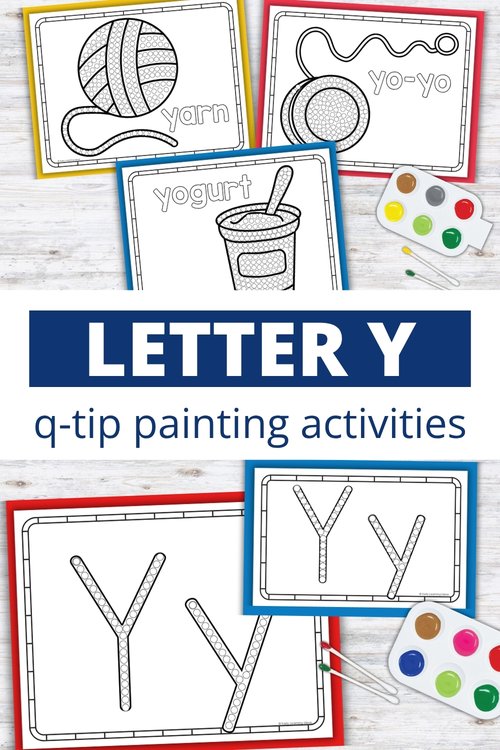
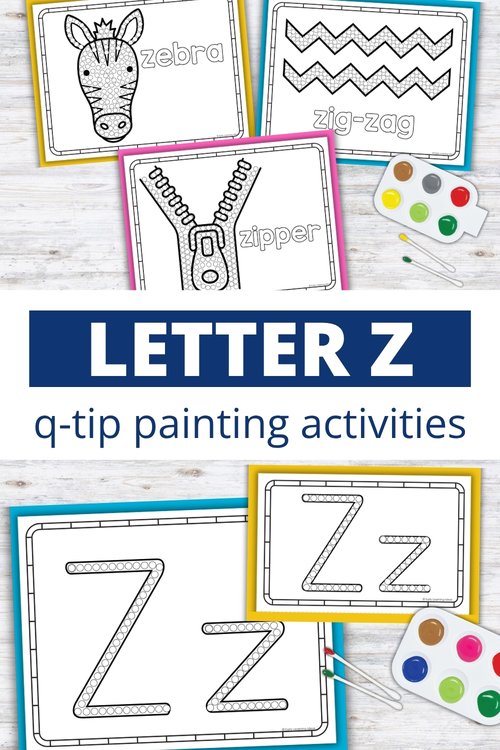
Letter Q-tip Painting
Printable letter Q-tip painting activities are one of those activities that look simple on the surface: kids dip a q-tip in paint and dot it inside a letter or picture. But when it’s set up the right way, alphabet q-tip painting activities become a full literacy and fine motor activity that builds letter recognition, beginning sounds, vocabulary, and letter formation…all while kids think they’re just painting.
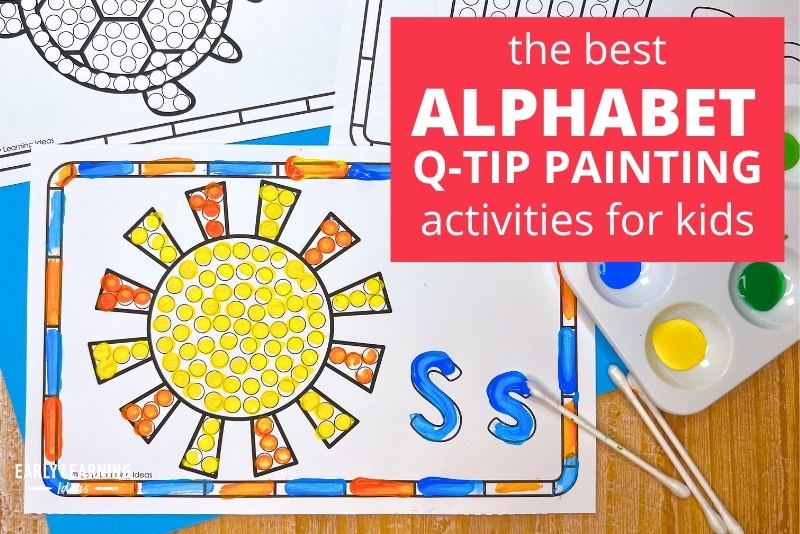
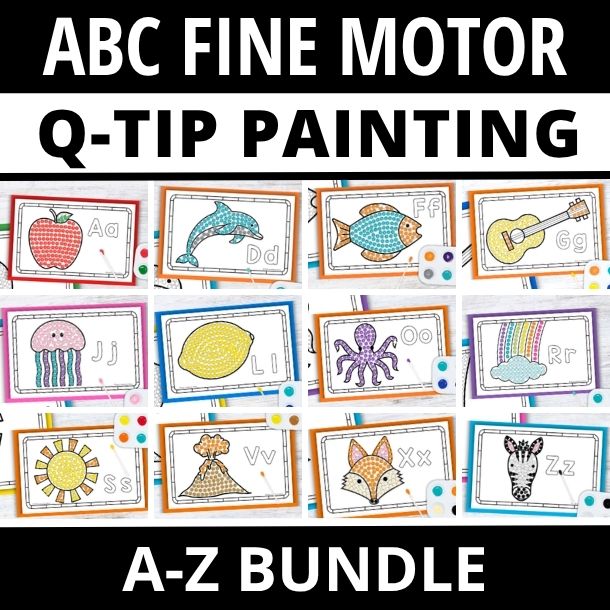
If you want to try it with your kids all year long, the A-Z Alphabet Q-Tip Painting Bundle covers every letter with over 180 printable pages built around beginning sounds, vocabulary, and handwriting practice.
JUST Purchase the A-Z BUNDLE
No Time to Read The Whole Article?
Here are the quick links to purchase the Alphabet Q-tip Painting Bundle today.
It’s also included in the Big Bad ABC Bundle, our complete alphabet teaching system with multiple ways to teach every letter skill.
JUST Purchase the BUNDLE
No Time to Read The Whole Article?
Here are the quick links to purchase the BIG BAD ABC BUNDLE today.
Here’s what makes letter q-tip painting worth adding to your literacy centers, and how to set it up so it builds skills, not just busywork.
Why Q-Tip Painting Builds Real Skills
Those small circles on Q-tip painting sheets do real work. They require kids to use a pincer grasp to hold the Q-tip, the same grip they’ll need for holding a pencil. Every dot is practice for that grip.
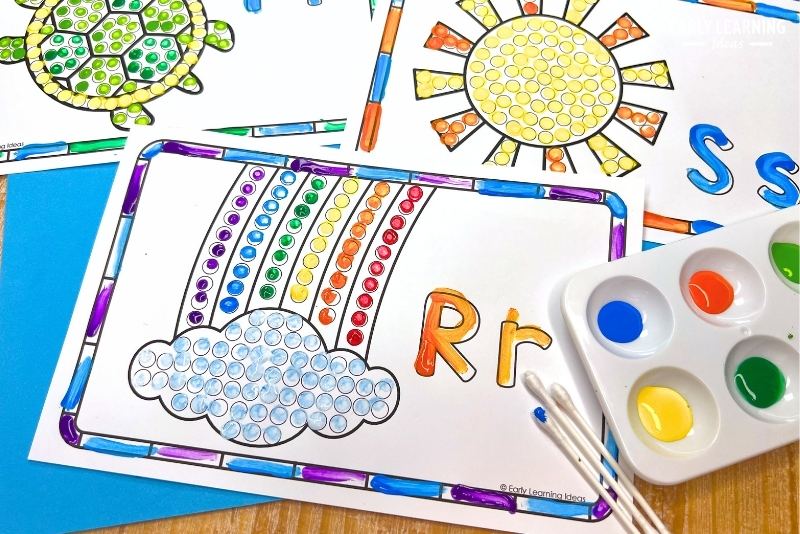
The dotting motion also slows kids down. Instead of scribbling color across a letter, they have to follow the shape circle by circle, which naturally builds better control and attention to the form of the letter or picture. In addition, these q-tip letter pages help kids build letter recognition, learn letter sounds, and practice tracing letters and words.
This is the idea behind our Skill-Rich Craft Formula:
Q-Tip Painting -The Skill-Rich Craft Formula:
Hands Working
As kids paint, and trace with q-tips, they strengthen hand muscles, improve finger control, and build hand-eye coordination.
Brains in Motion.
While kids paint, they practice letter recognition, beginning sounds, vocabulary, and early writing skills.
Kids Who Care.
Painting a picture feels creative and rewarding, so kids stay engaged while they’re practicing skills that matter.
One activity, several skills. That’s the goal.
How to Set Up Letter Q-Tip Painting
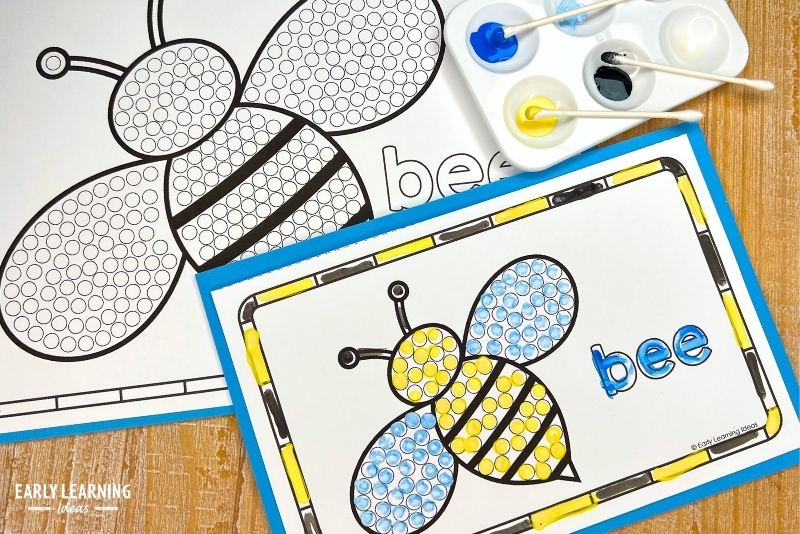
Setting this up is genuinely low-prep. Here’s the basic process:
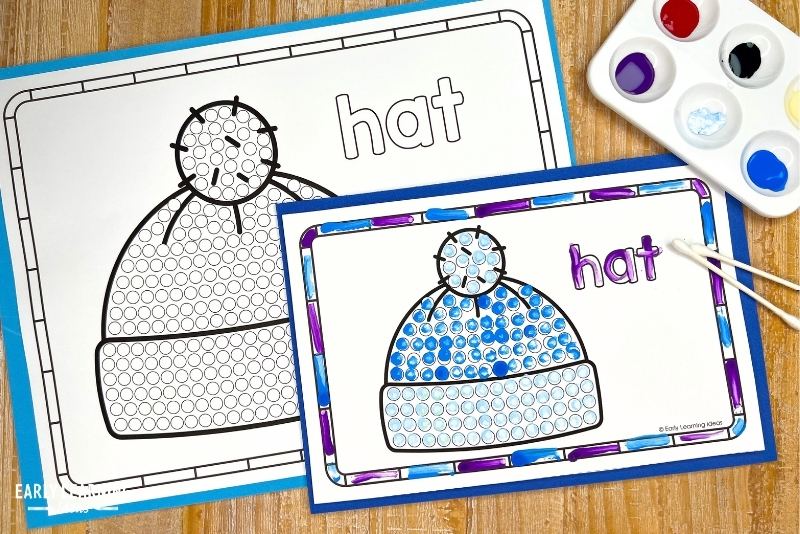
Step 1: Print and set up. Choose the full-page version for extended fine motor practice, or the half-page version when you need something quicker for a center or a shorter attention span.
Step 2: Choose your dot tool. Q-tips work great, but they’re not the only option:
- Q-tip dot painting: Give each child a q-tip, pour a small amount of paint onto a palette (plastic bottle caps work perfectly), and let kids dip and dab one dot at a time inside the circles.
- Pencil eraser dot stamping: Flip a pencil over, press the eraser onto a stamp pad, and stamp a dot inside each circle. This is a great no-paint option for centers.
Step 3: Complete the page. Kids fill in the small circles, trace the letters or words if the page includes them, and paint along the border for extra line control practice.
Step 4: Let it dry and display. Use the pages individually, build an alphabet binder, or send them home so families can see what kids are learning.
Teacher Tips
A little paint goes a long way, so keep amounts small so the q-tip doesn’t get overloaded. If paint gets too thick, one tiny drop of water fixes it. And encouraging kids to “dab, dab” instead of swirling keeps the dots neat and controlled.
What Makes This More Than Just Painting
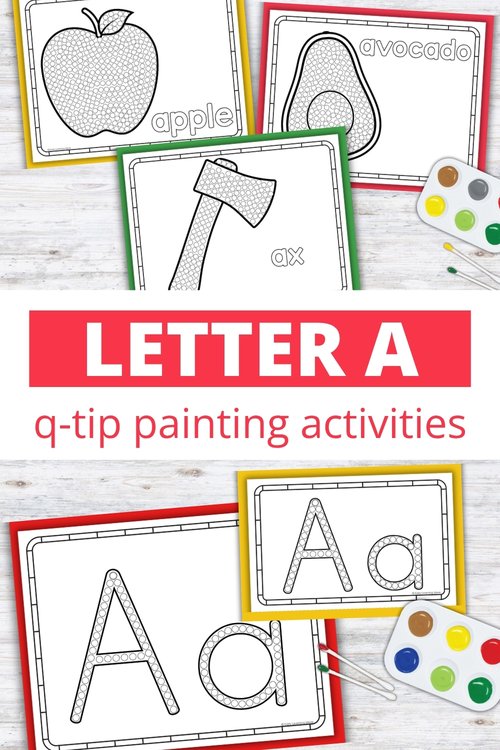
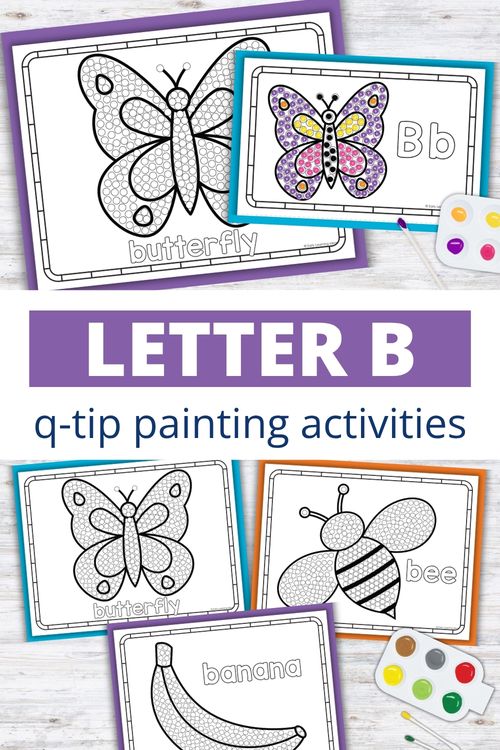
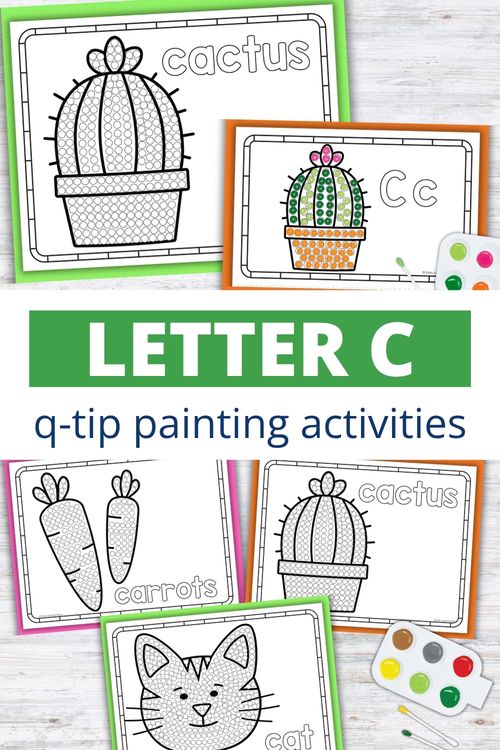
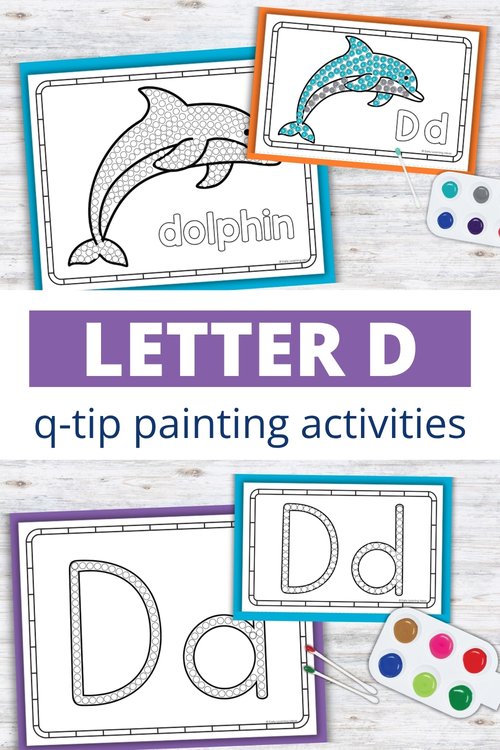
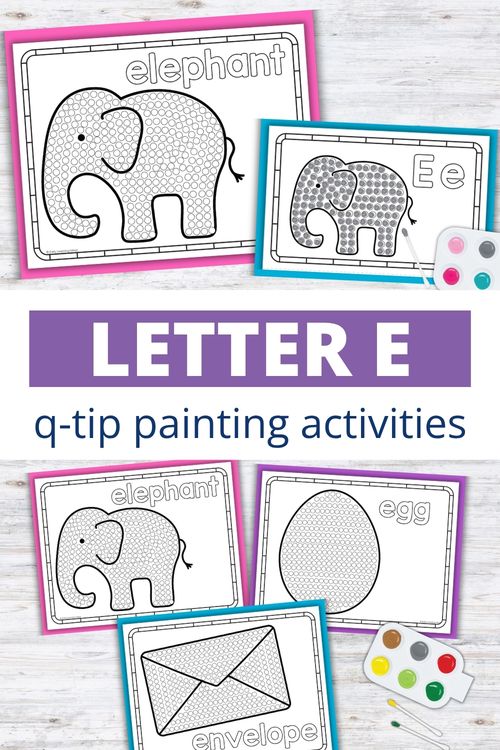
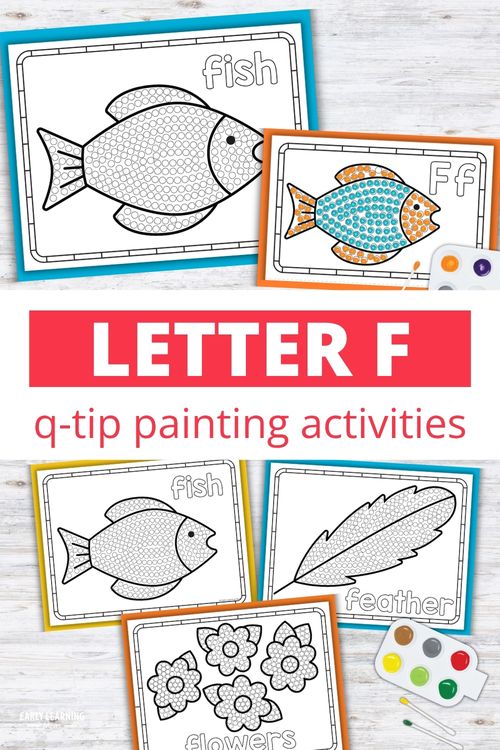
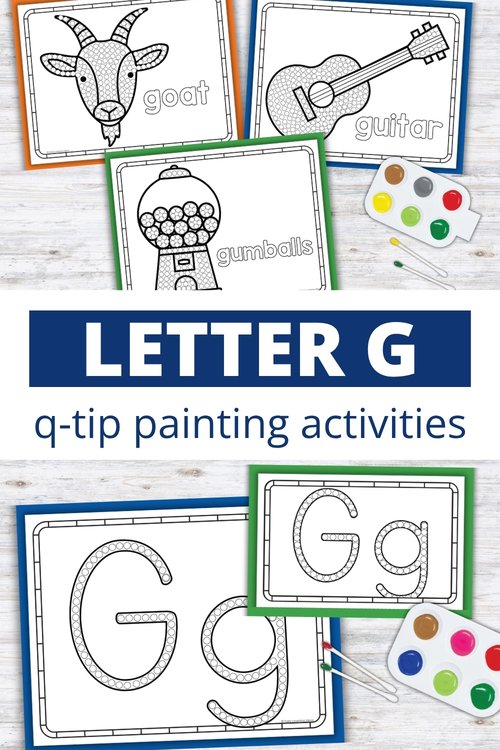
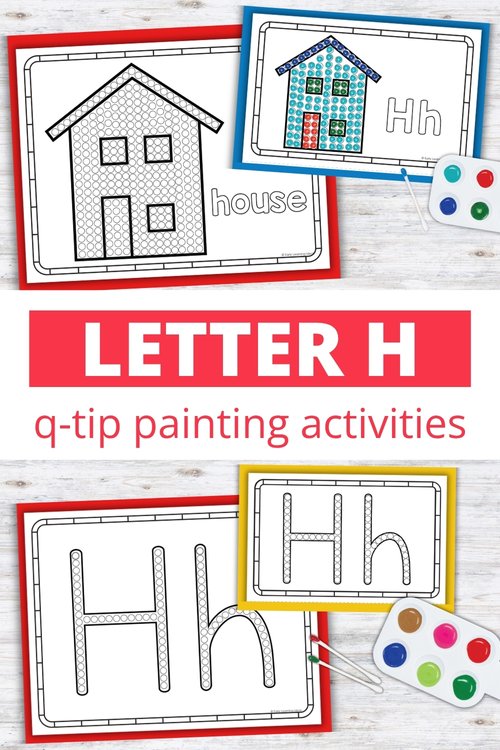
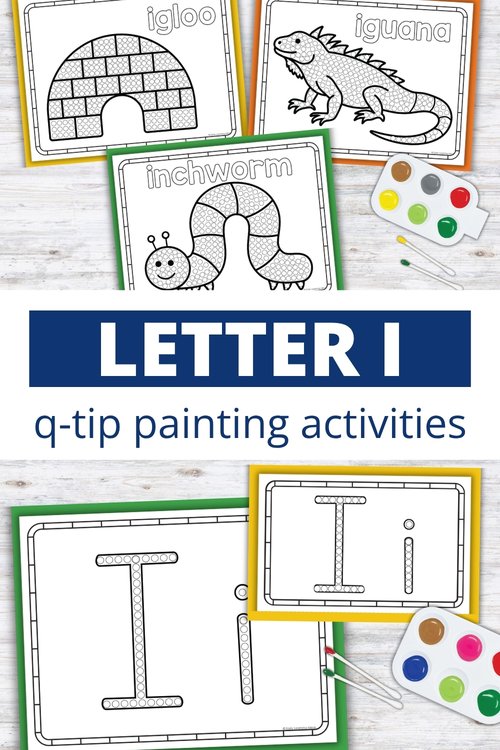
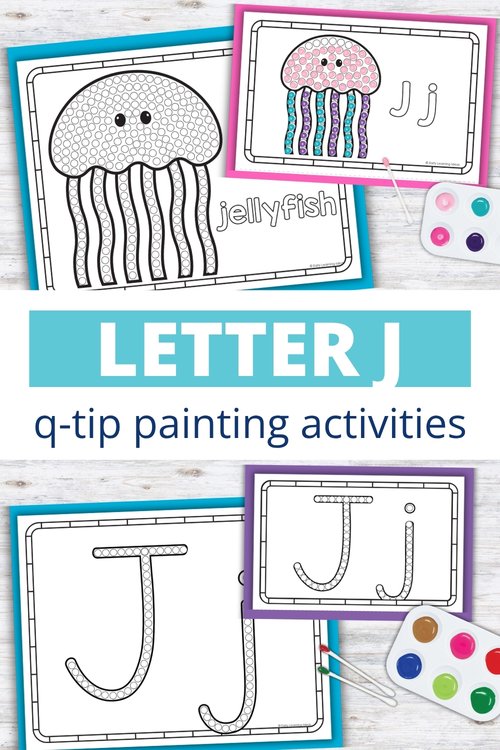
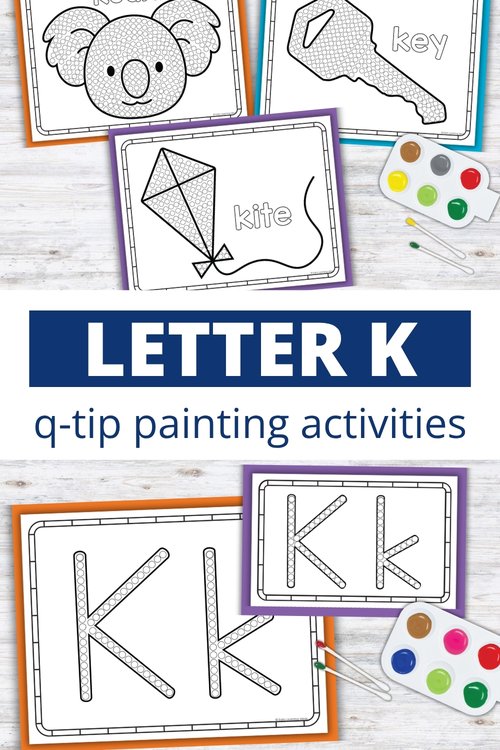
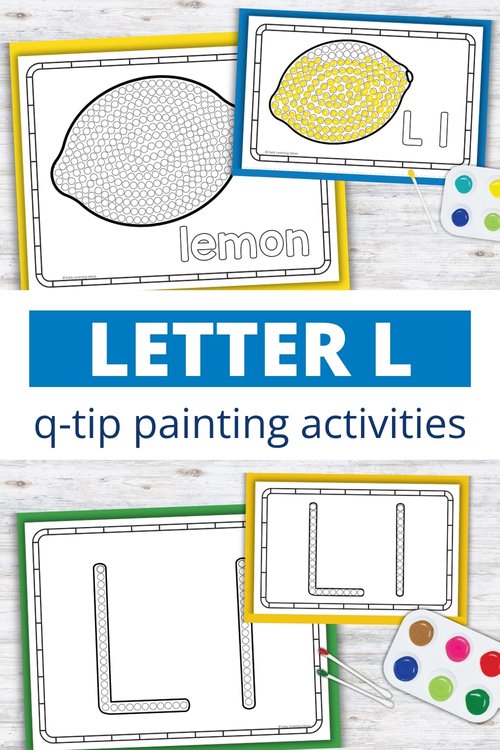
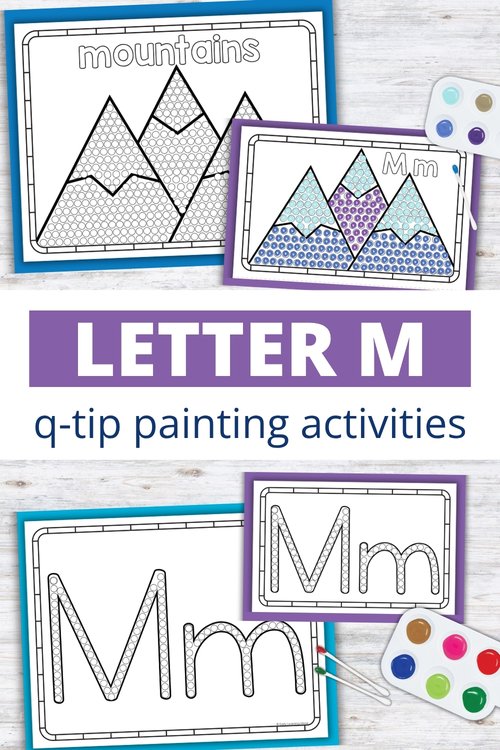
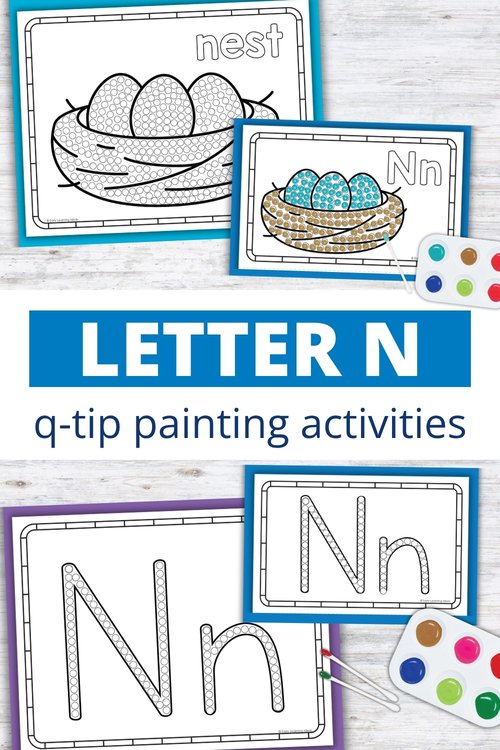
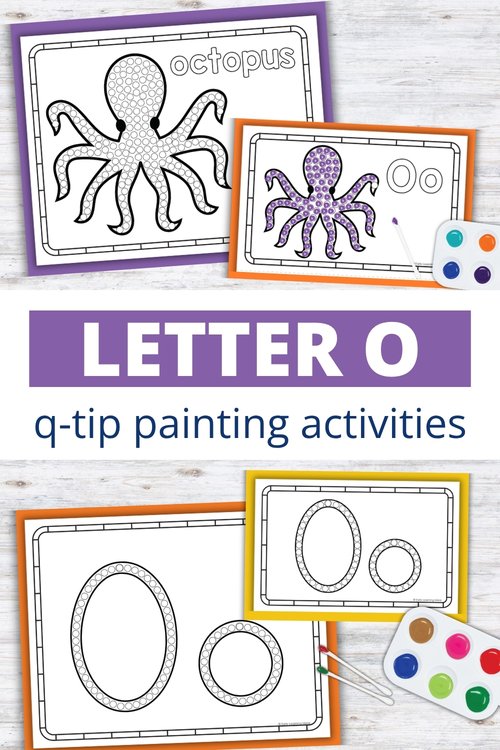
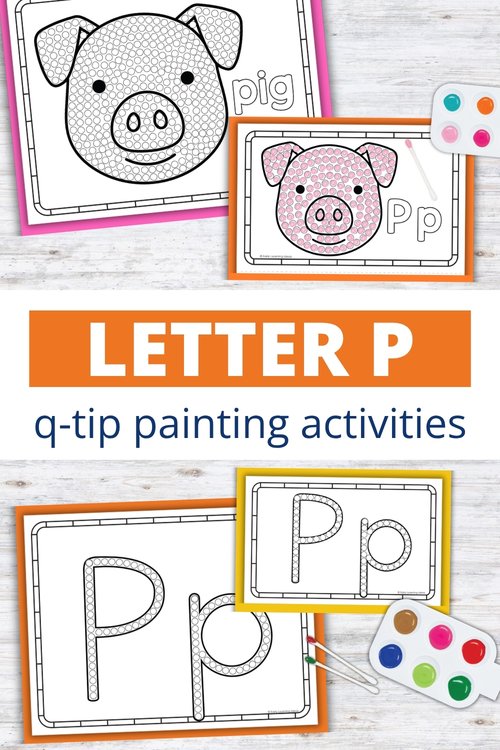
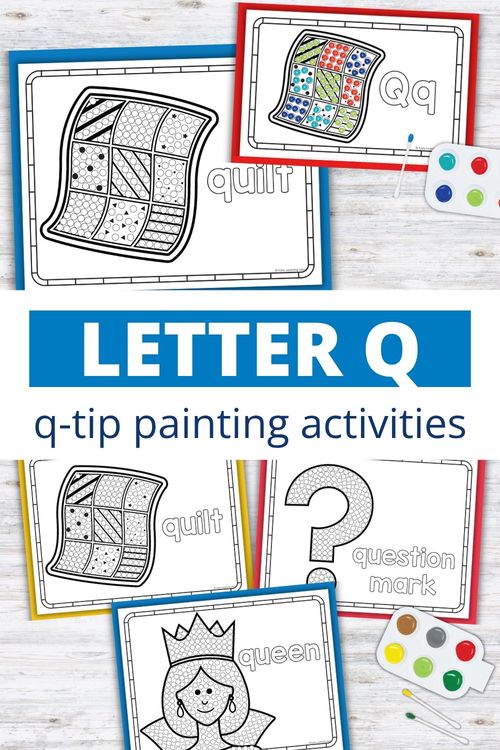
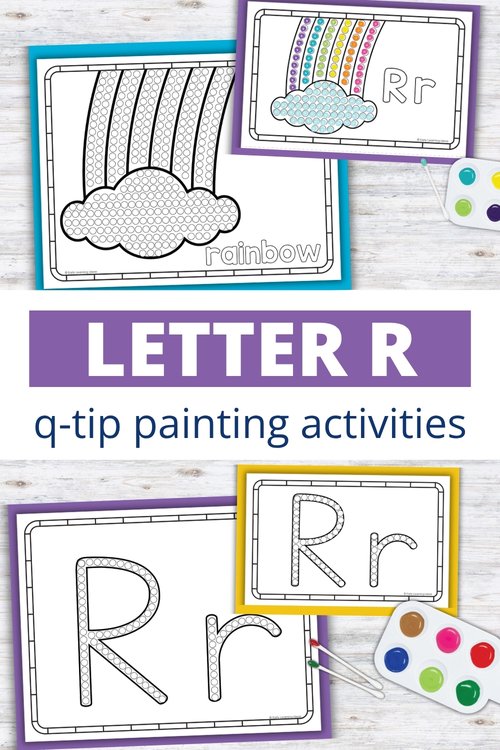
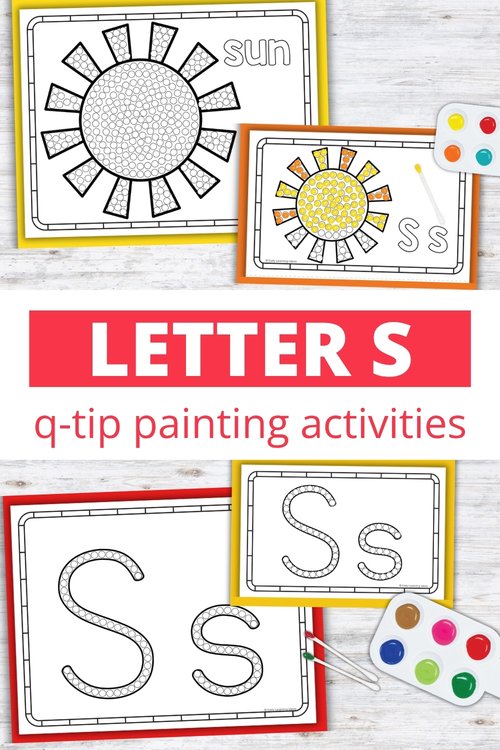
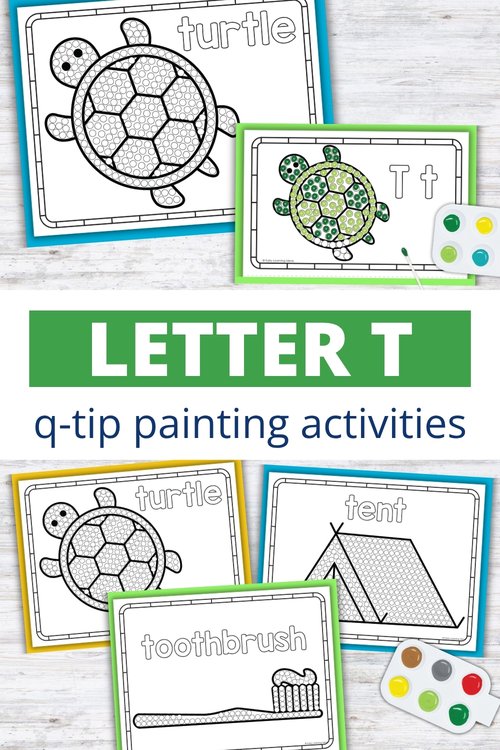
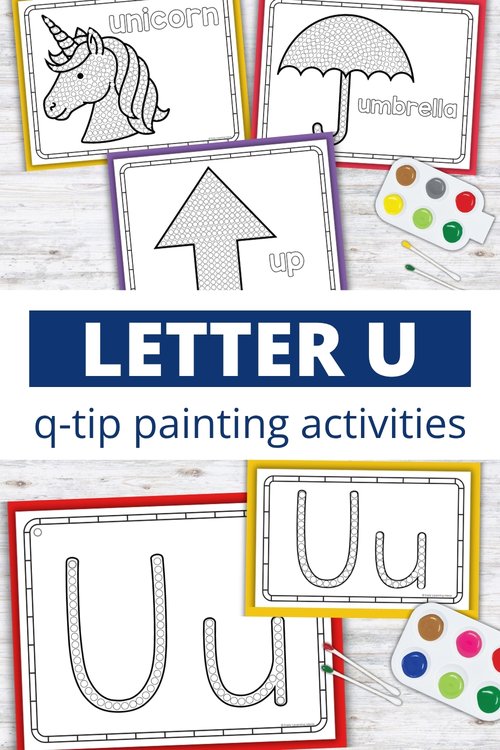
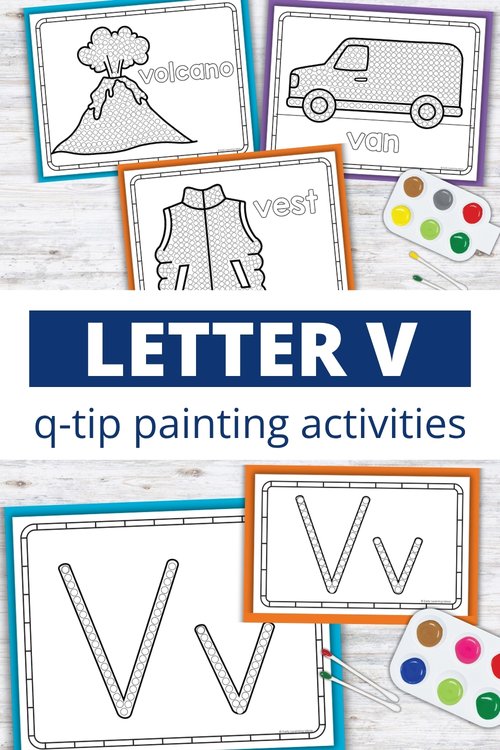
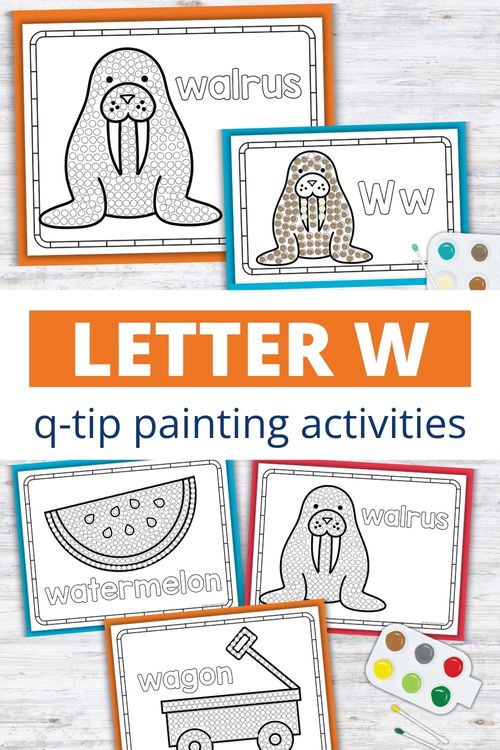
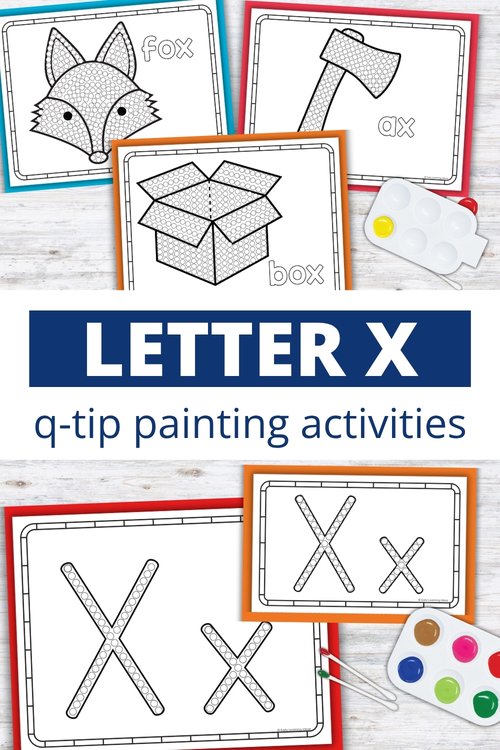
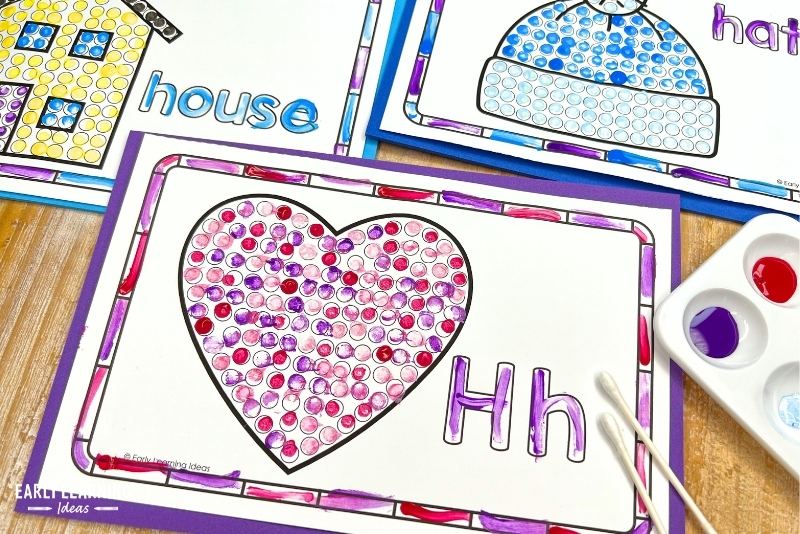
Here’s where my letter Q-tip painting pages earn their spot in a literacy center instead of just an art bin. Each letter set includes a letter page and 3 different pictures for each letter.
Letter formation
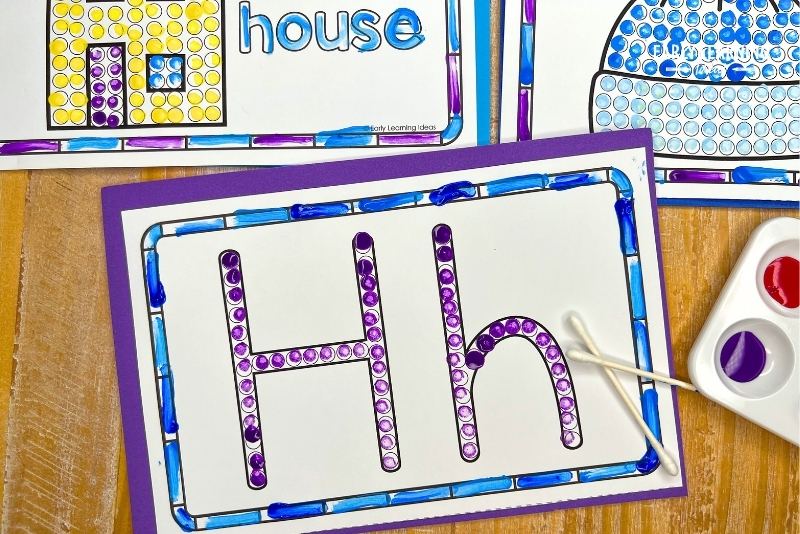
Every letter page includes double starting dots so kids know exactly where to begin. This helps build proper letter formation from day one instead of letting bad habits creep in.
Beginning sounds
Picture pages pair each letter with three familiar images, so as kids paint, they’re connecting the letter to its sound.
Vocabulary
Word pages take it a step further with a bubble-letter vocabulary word to trace, reinforcing the connection between the letter, the sound, and the word.
Line control
Each page also includes a bordered frame for line painting practice. Kids paint along the border with a paintbrush or q-tip, which adds another layer of fine motor and line control practice to the same page.
Put it all together, and one q-tip painting page is teaching letter recognition, beginning sounds, vocabulary, letter formation, and line control at the same time.
Ways to Use Letter Q-Tip Painting in Your Classroom
This activity flexes to fit however you teach:
- Letter of the Week lessons
- Literacy centers
- Fine motor centers
- Morning work
- Small groups
- Occupational therapy sessions
- Preschool, pre-k, kindergarten, and homeschool
Because each set includes full-page and half-page versions, it’s easy to differentiate for different kids or different amounts of time.
Bring Letter Q-Tip Painting Into Your Week
You don’t need a special day to fit these fun alphabet Q-tip painting activities into your routine. Rotate them through morning work, drop them into a literacy center, or use them as the hands-on piece of your Letter of the Week lineup.
Pull the half-page version when time is short, and the full-page version when kids want to settle in and paint every dot. Either way, kids walk away with letter recognition, beginning sounds, and letter formation practice, all from one page.
Grab the ABC Q-tip Painting Printables Today
Ready to try letter q-tip painting in your classroom?
Get the A-Z Alphabet Q-Tip Painting Bundle for all 26 letters, over 180 printable pages, and everything you need to teach beginning sounds, vocabulary, and letter formation all year long.
JUST Purchase the A-Z BUNDLE
No Time to Read The Whole Article?
Here are the quick links to purchase the Alphabet Q-tip Painting Bundle today.
Want the complete alphabet system? This resource is also included in the Big Bad ABC Bundle, giving you multiple hands-on ways to teach every letter skill in one collection.
JUST Purchase the BUNDLE
No Time to Read The Whole Article?
Here are the quick links to purchase the BIG BAD ABC BUNDLE today.