Fine Motor Activities for Preschool
Looking for fun and easy fine motor activities for preschool kids? I’ve got you covered!
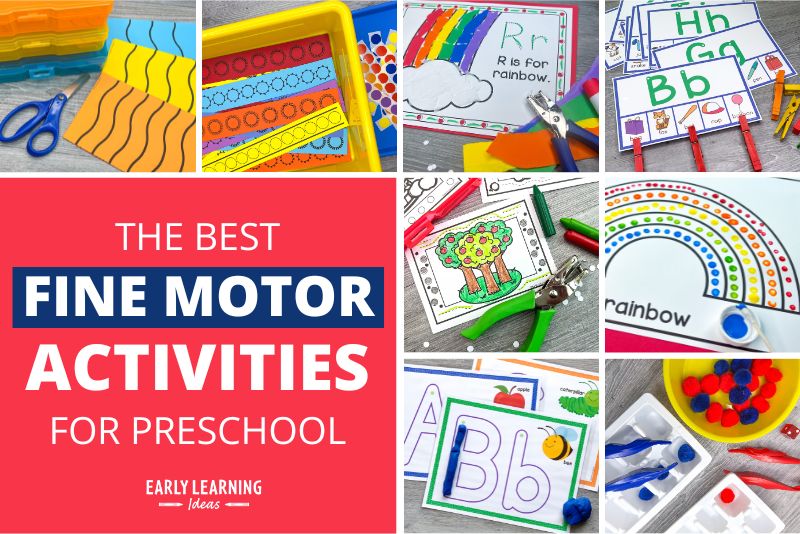
I’ve put together a huge, organized list of easy fine motor activities for preschoolers—many linked to printable resources you can use in your classroom or at home today.
Why Do Preschool Kids Need Fine Motor Activities?
Fine motor skills are the small muscle movements kids use for tasks like writing, cutting with scissors, buttoning clothes, and zipping jackets. These skills are absolutely critical for preschoolers—not just for academic success, but for everyday independence too.
Kids develop fine motor skills best through engaging, hands-on activities. They need to squeeze, pinch, tear, cut, and manipulate materials to build those important hand muscles.
Let’s take a look at some fun ideas to help build those muscles.
Targeted Placement Activities
Placing small objects with intent builds precise finger control and visual-motor skills. Kids learn to coordinate their movements with visual targets.
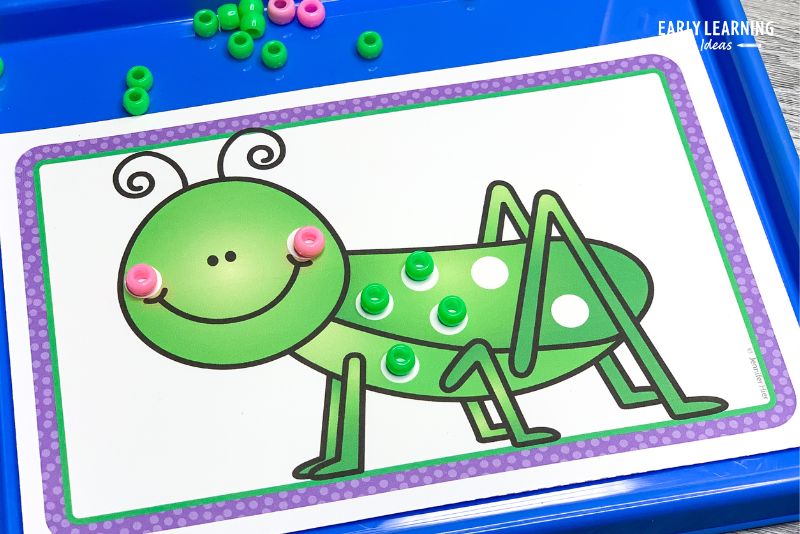
Bead Placement Mats
Kids can use bead placement mats to place beads on designated spots to fill shapes.
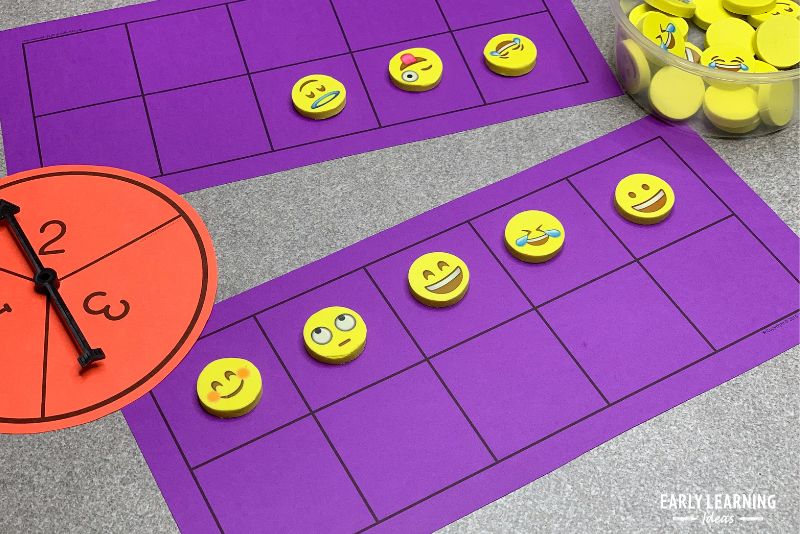
Math Ten Frame with Tongs
Play a simple counting game with a ten-frame and some mini erasers. You can add an extra challenge by using tools instead of fingers.
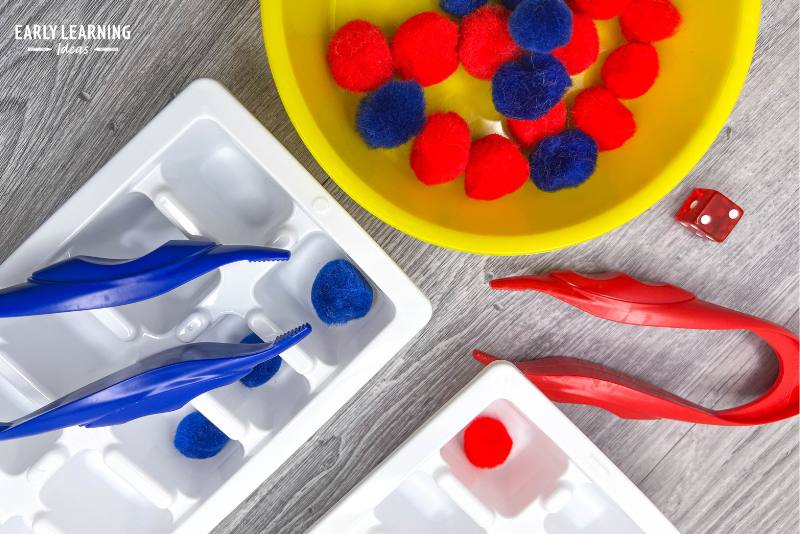
Pom-Pom Sorting
Use tongs to sort pom-poms by color or size into ice cube trays or small plastic bowls. Add a die for a fun fine motor game
Sticker Activities
Peeling and placing stickers helps build finger control, eye-hand coordination, and also strengthens the pincer grip.
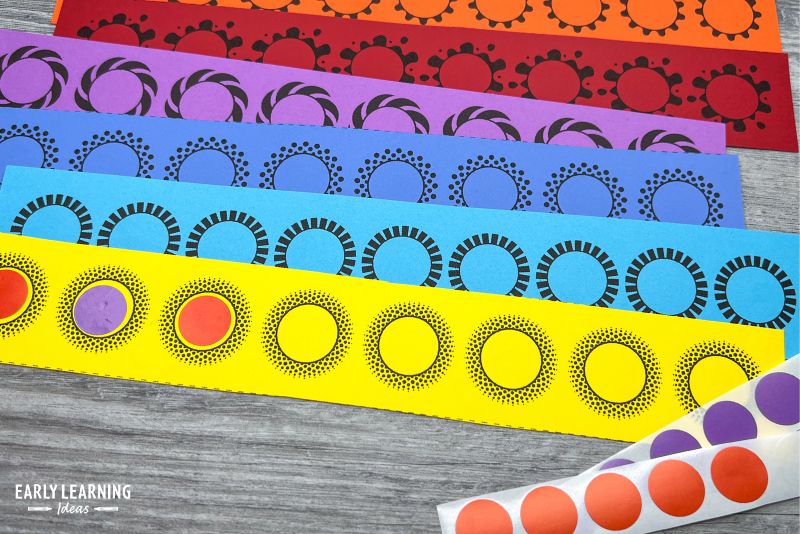
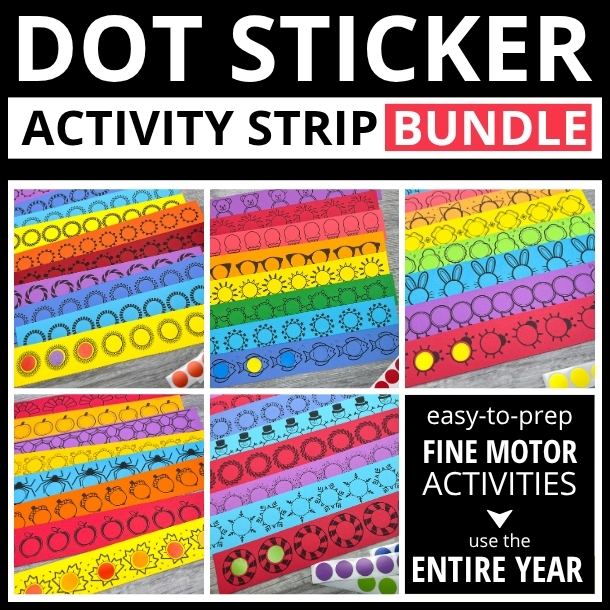
Dot Sticker Strips
Kids have a blast placing dot stickers inside the circles on a printable dot sticker strip. You can use the strips for color-matching, patterning, counting, etc.
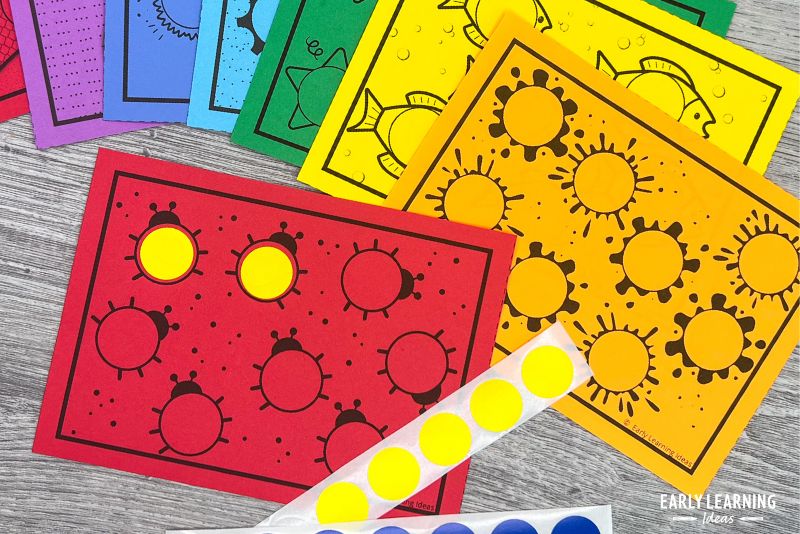
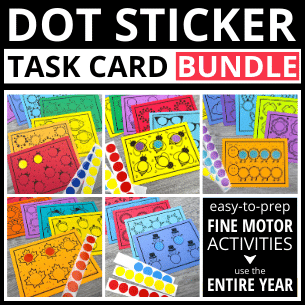
Dot Sticker Task Cards
You can also use dot sticker task cards for reward cards, counting cards, with letter stamps, and more.
Dot Marker Activities
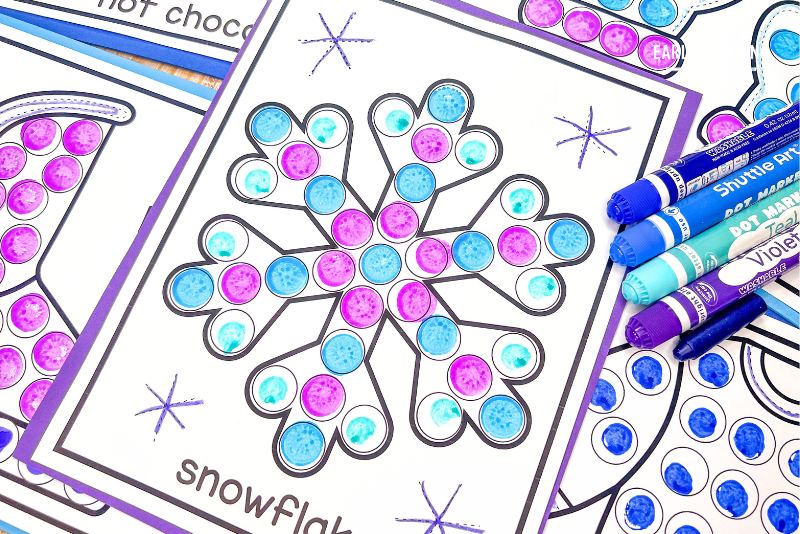
Use bingo markers for controlled dot placement. Kids dab dots inside circles or on specific targets.
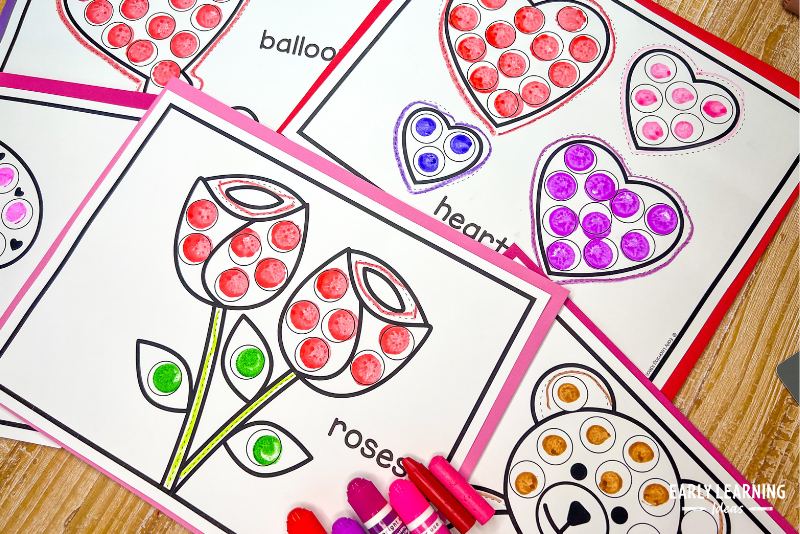
Dot Marker Images
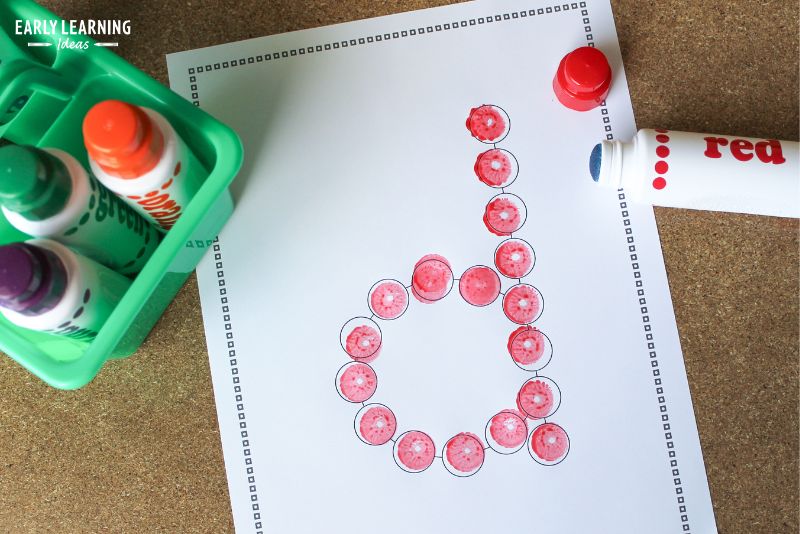
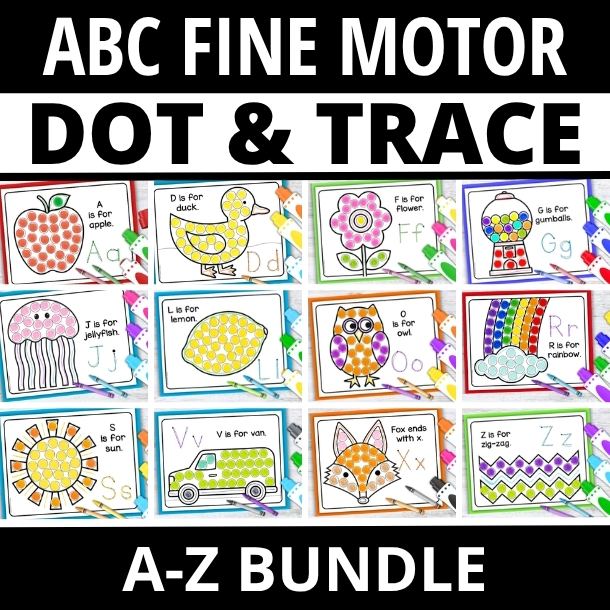
Dot marker pages have dots inside the images. Rather than coloring the images with crayons, kids can add dots of color to the pictures with a dot marker.
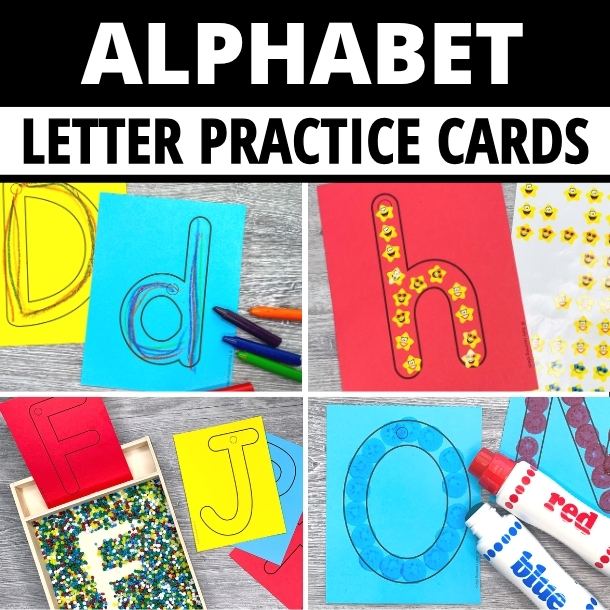
Use alphabet dot pages for a fun fine motor activity that will help kids with letter recognition.
Clothespin Activities
Squeezing clothespins builds thumb and finger strength and pincer grasp. This pincer grip is the same grip kids need for holding pencils correctly.
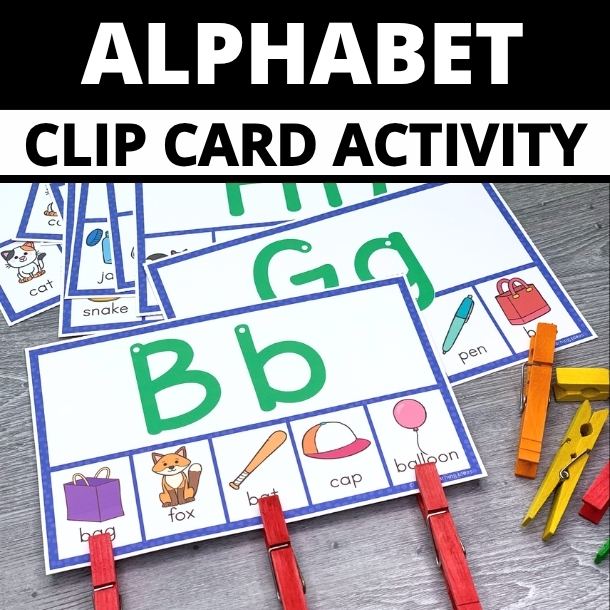
Clip Cards
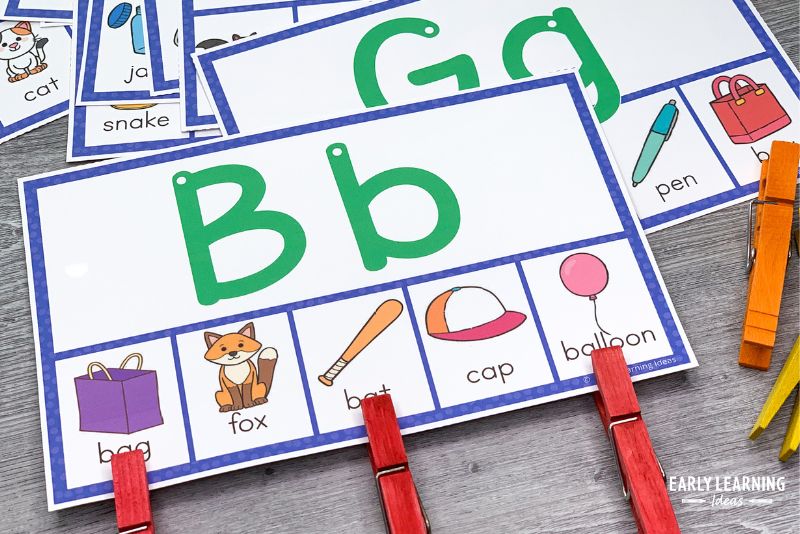
Kids can identify and finger-trace the letters on the top of these clip cards, and then they can clip their clothespin to the pictures on the bottom of the card that start with that letter.
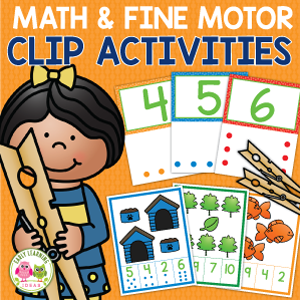
Counting Clip Cards
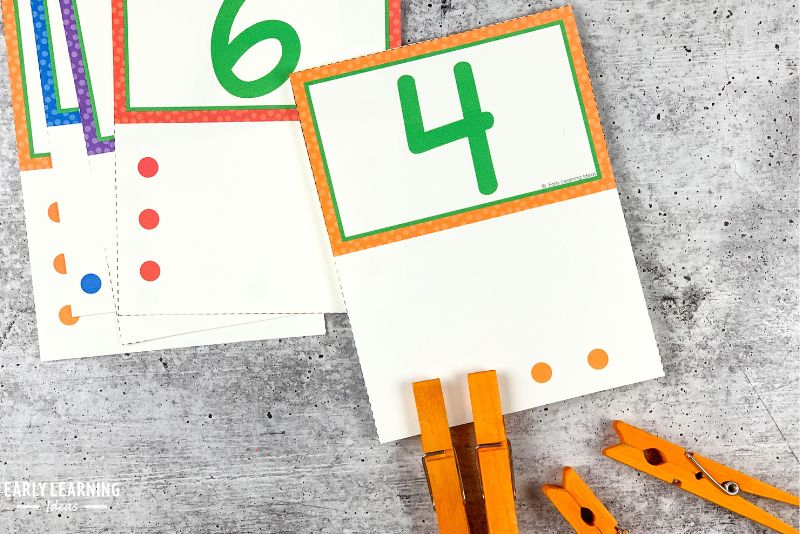
You can also use clothespins for math fine motor activities. Here is a set of clip cards to work on number recognition and counting. Kids identify the number on the card, and then apply that number of clothespins to the bottom of the card.
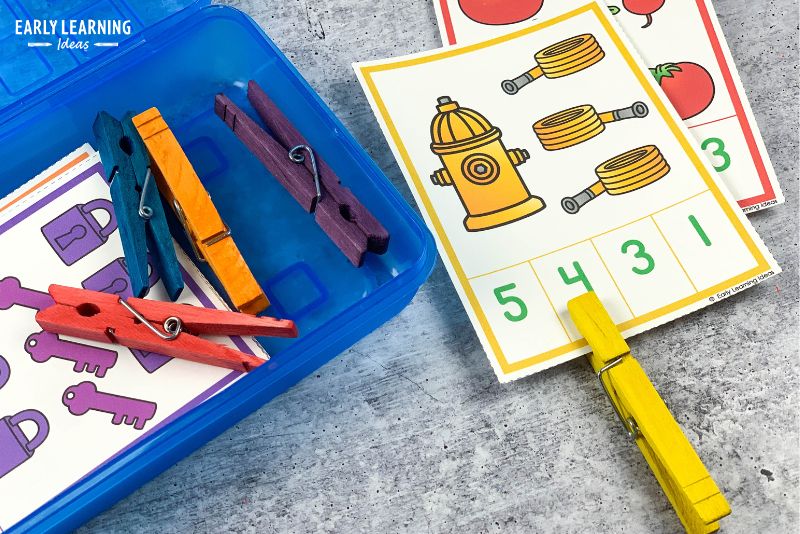
…and with this one, kids count the objects on the top of the card and add their clip to the correct number on the bottom.
Clothespin Painting
You can also use clothespins for art activities. Kids can pick up a pom-pom with a clothespin clip, dip the pom-pom into paint, and dot the paint onto paper.
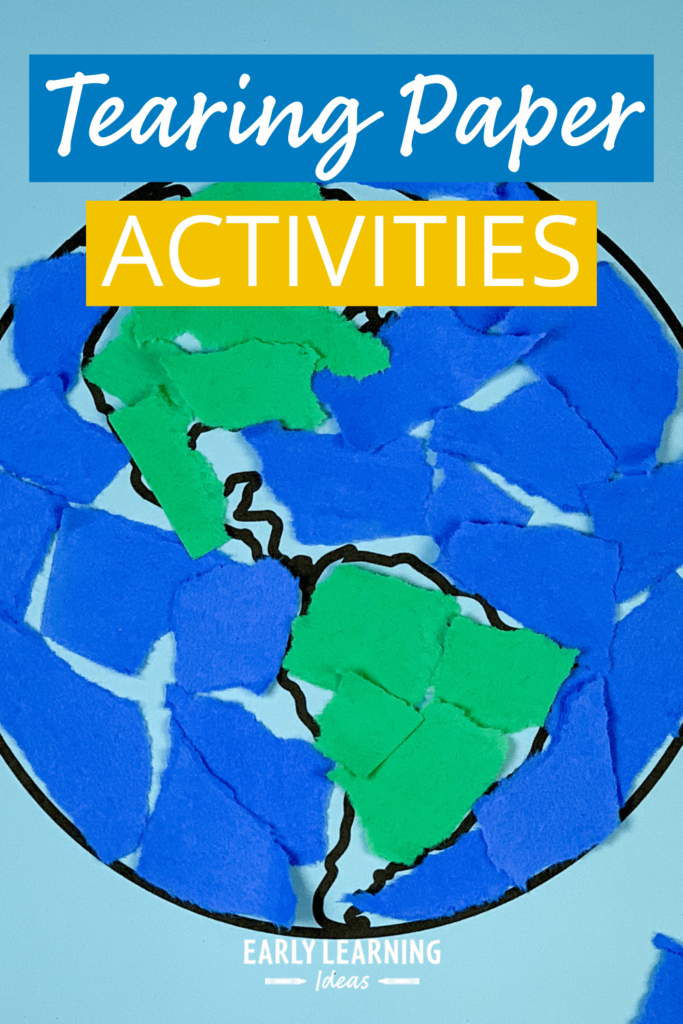
Tearing Paper Activities
Tearing not only strengthens hands and wrists, it prepares kids for cutting and builds confidence early on. It’s Step 1 of the Cutting Confidence Ladder—kids tear before they’re ready to cut.
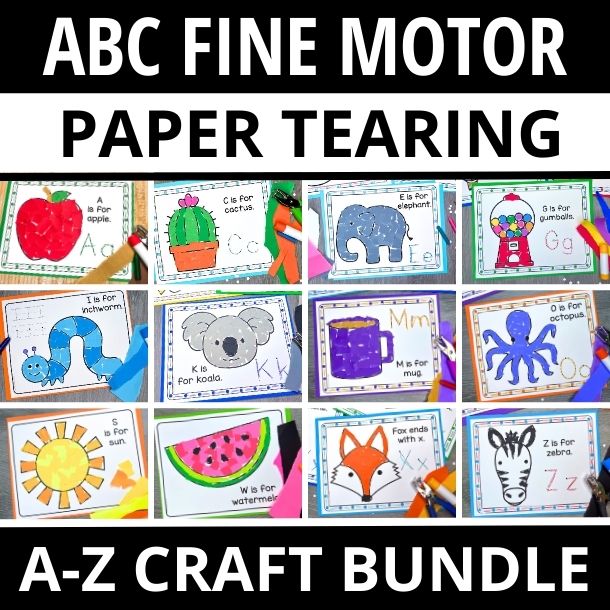
Tearing Paper Alphabet Crafts
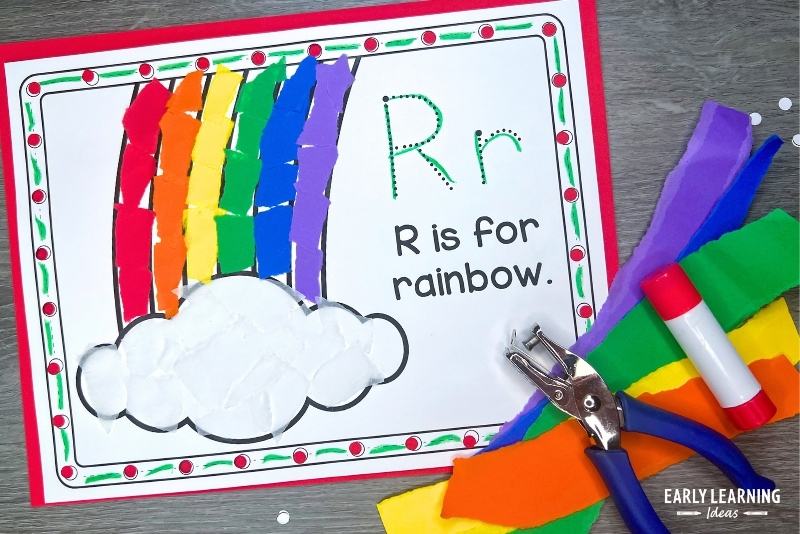
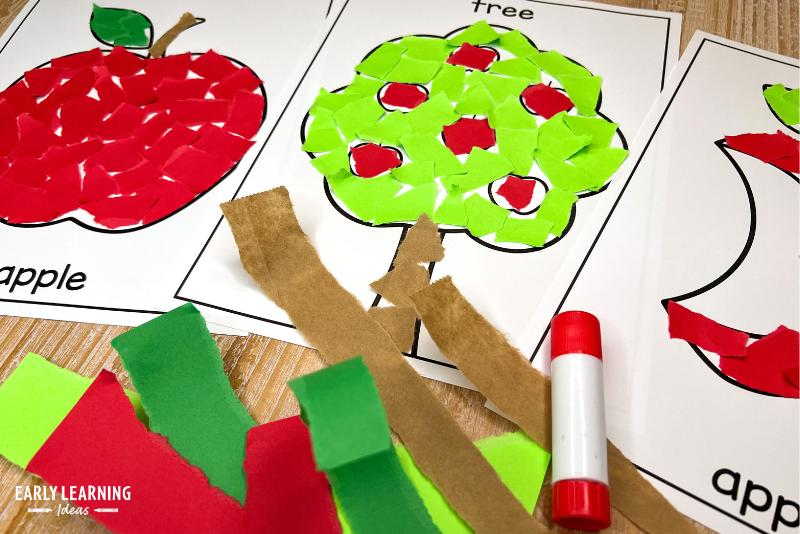
Tear and glue paper to fill the images on these letter pages. Kids create a cute letter crafts while building hand strength.
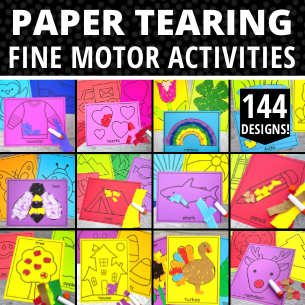
Tearing Paper Images
Kids tear colorful paper and glue it onto images with these seasonal tear-art images.
Tearing Paper Free Art
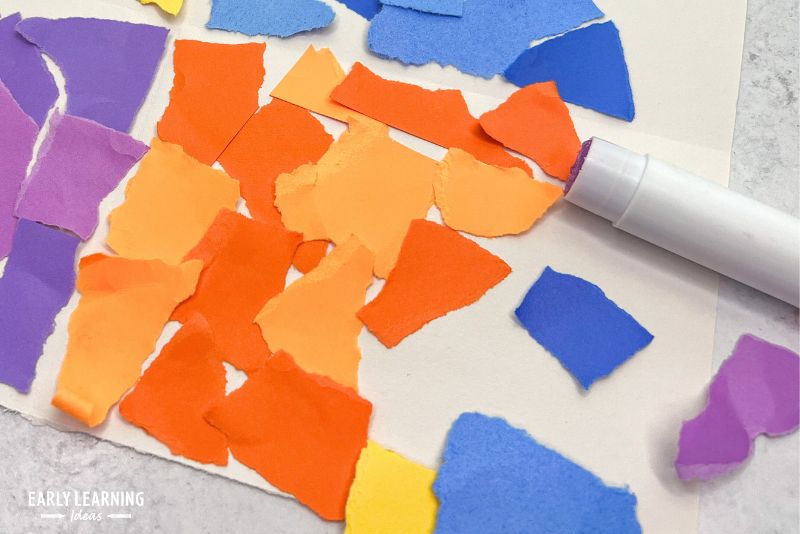
Provide strips of paper and let kids tear them into small pieces. This open-ended torn art activity is perfect for sensory exploration.
Scissor Skills & Paper Cutting Activities
Using scissors builds hand strength, bilateral coordination, and control—all foundational skills for handwriting and tool use later. When kids practice cutting, they’re strengthening the same muscles they’ll need for writing letters and using other classroom tools.
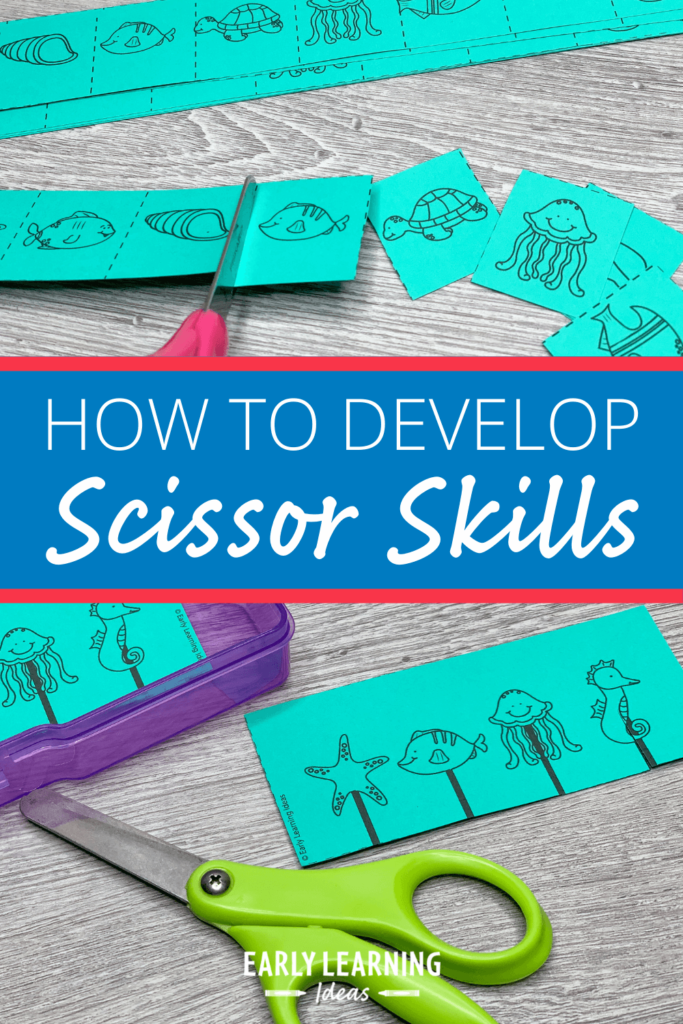
Snip Strips
Snip strips are perfect for beginner cutters! Kids practice short vertical snips along paper strips. This builds confidence and control before moving to more complex cutting.
Cutting Stips
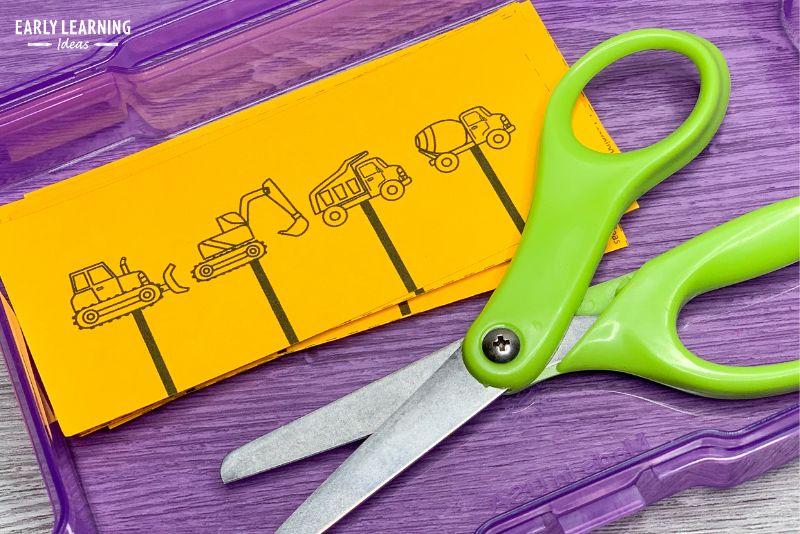
These strips are thin enough that kids get the satisfaction of cutting through them with a single cut. They love cutting the images apart and can even paste them onto another sheet of paper.
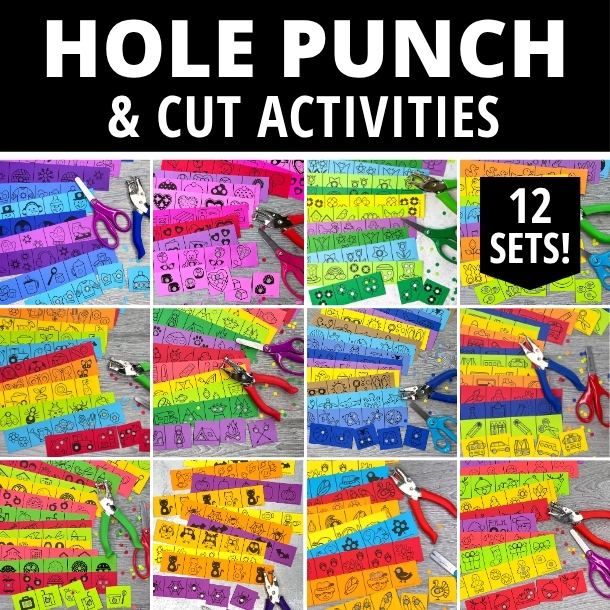
Hole Punch & Cut Strips
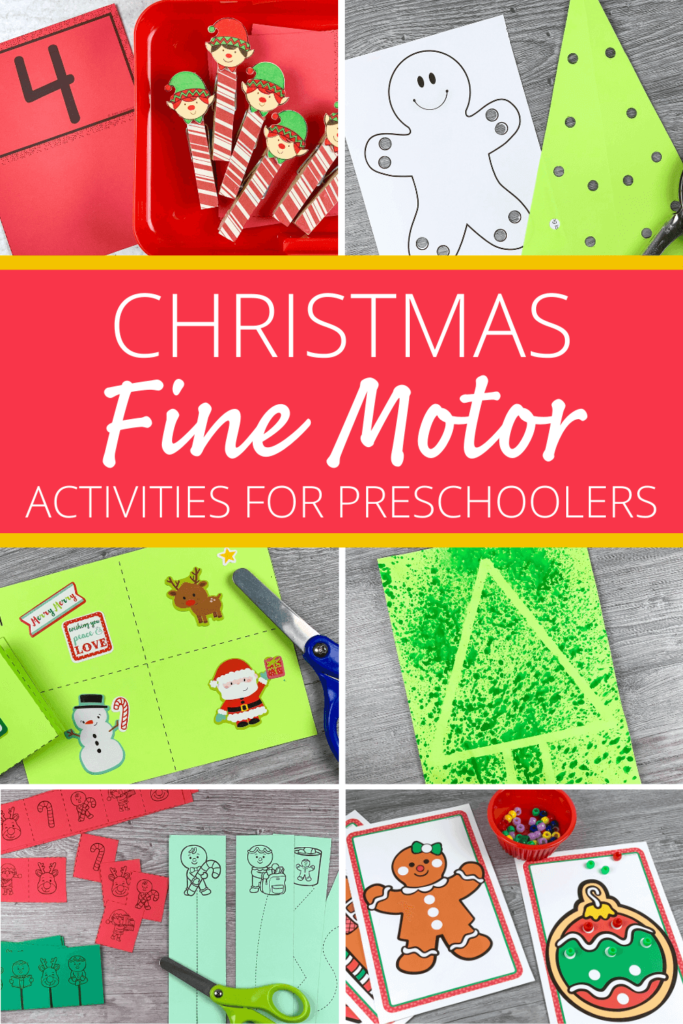
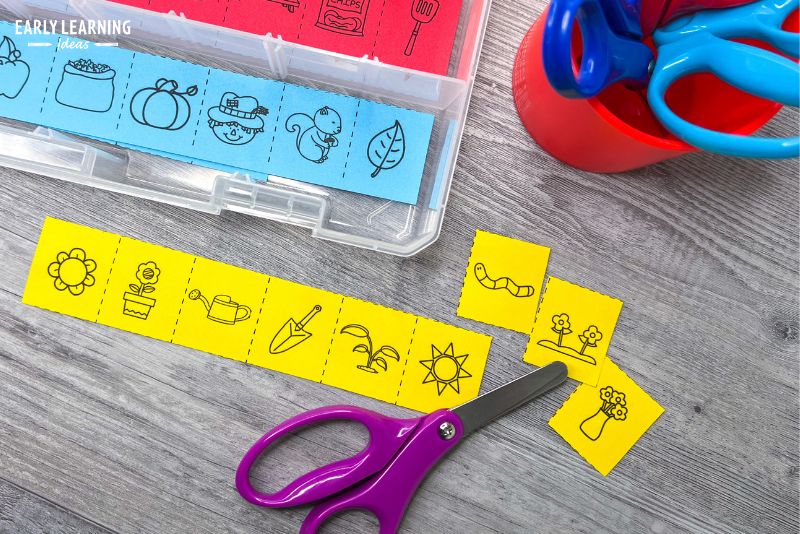
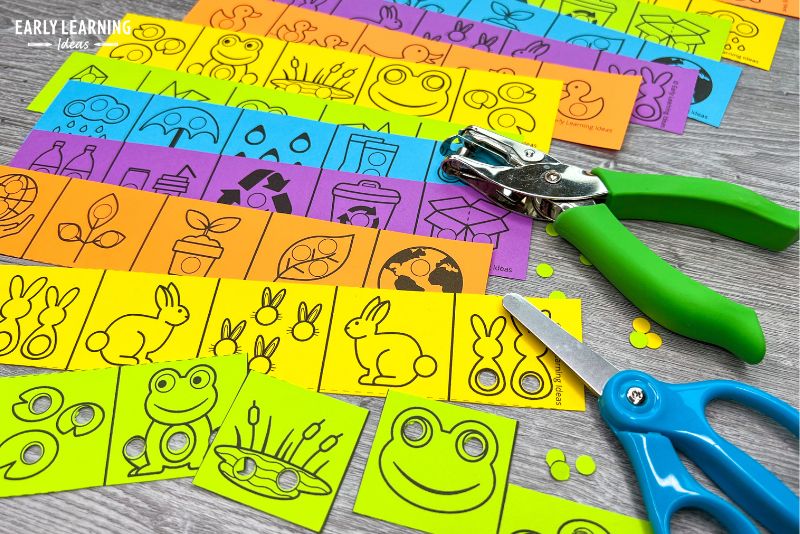
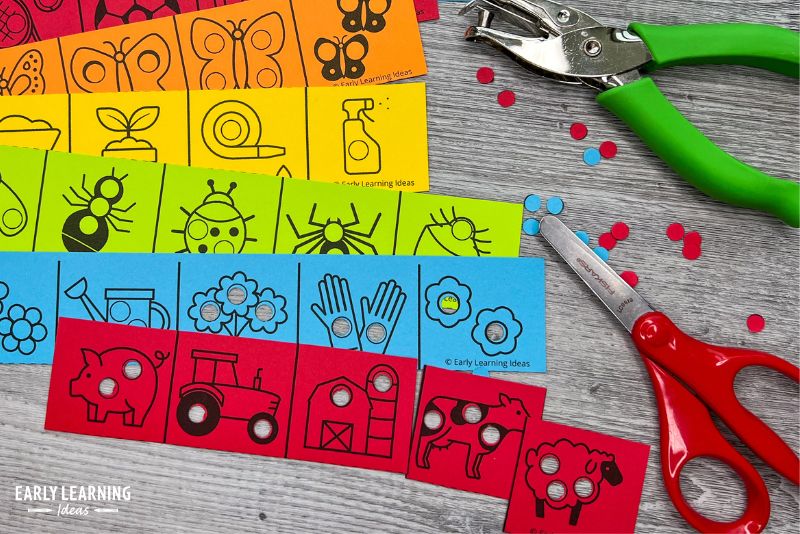
These hole punch and cut strips offer an opportunity to hole punch the images and cut them apart with a single snip…no movement of the scissors is necessary.
Cutting Task Cards
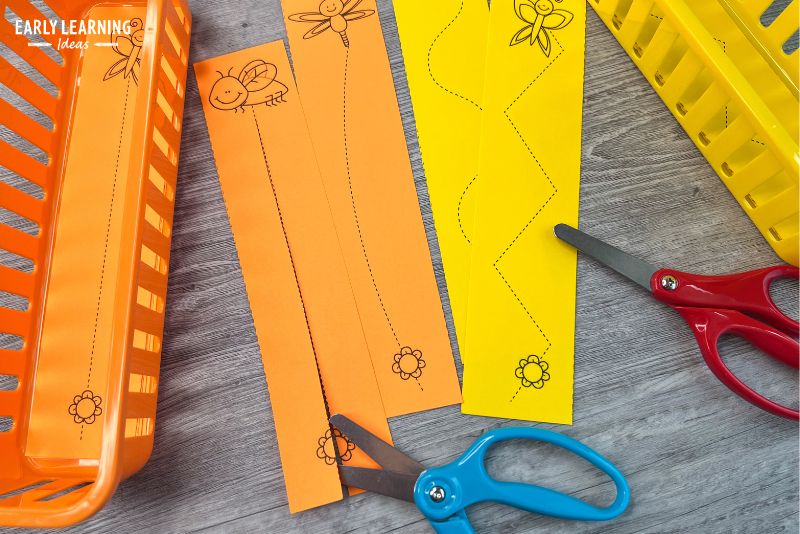
Cutting varied lines help build confidence. Use these cutting task cards in centers or as independent practice for different skill levels, from straight to more complex lines.

Cutting Paths
You can also use cutting path strips to practice cutting a variety of different kinds of lines.
Fold & Cut Activities
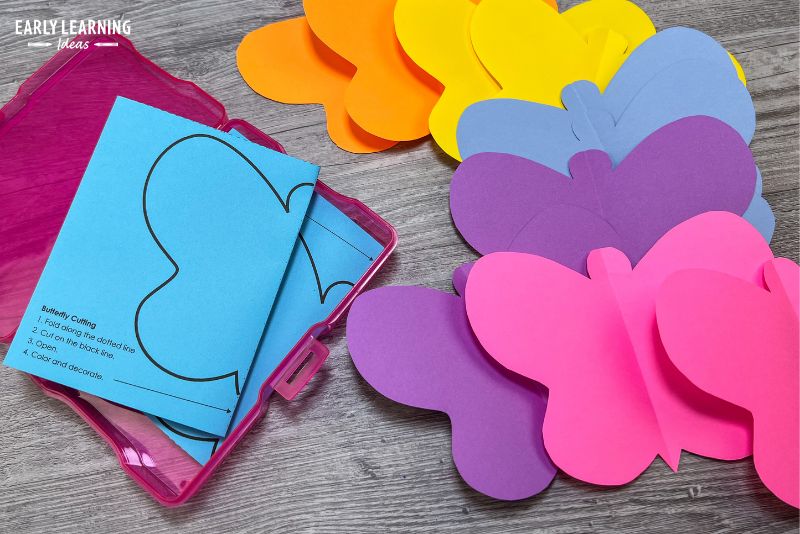
When kids are ready to cut curved or more complex lines, they really enjoy these fold-and-cut activities. They cut the folded page and then open it up to reveal the image…in this case, a cute butterfly.
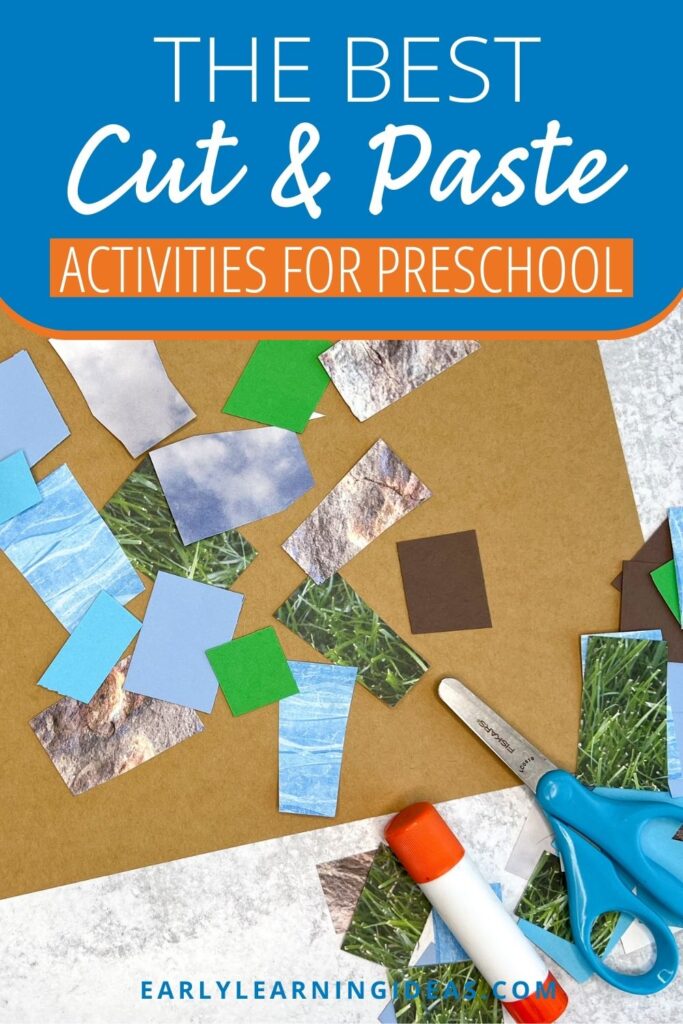
Simple Cut & Paste Worksheets
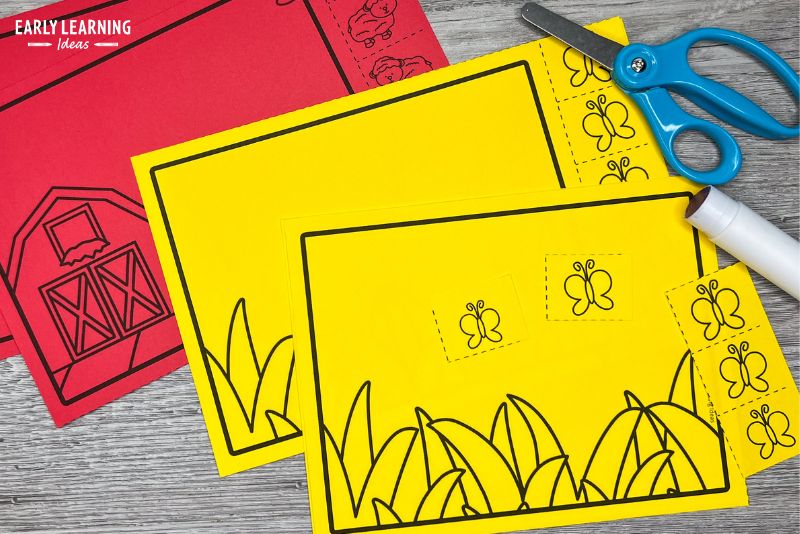
These simple cut and paste worksheets feature snipping or straight line cutting practice combined with fun themes. Kids cut out pieces and glue them to the image.
Hole Punch Activities
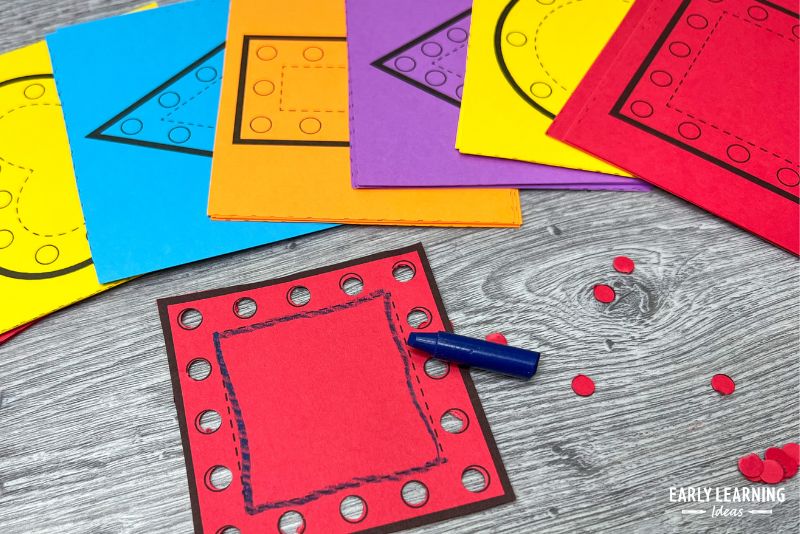
Hole punching strengthens hand strength and builds endurance. It’s fantastic for bilateral coordination because kids need to use both hands together—one to hold the punch and one to hold the paper.
Hole Punch & Cut Strips
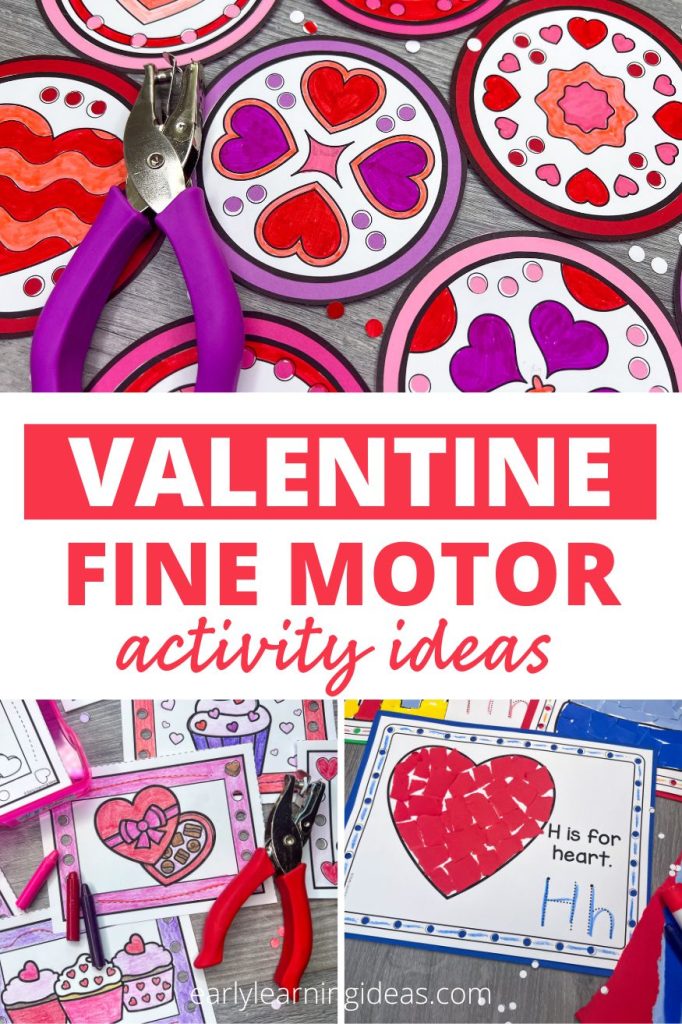
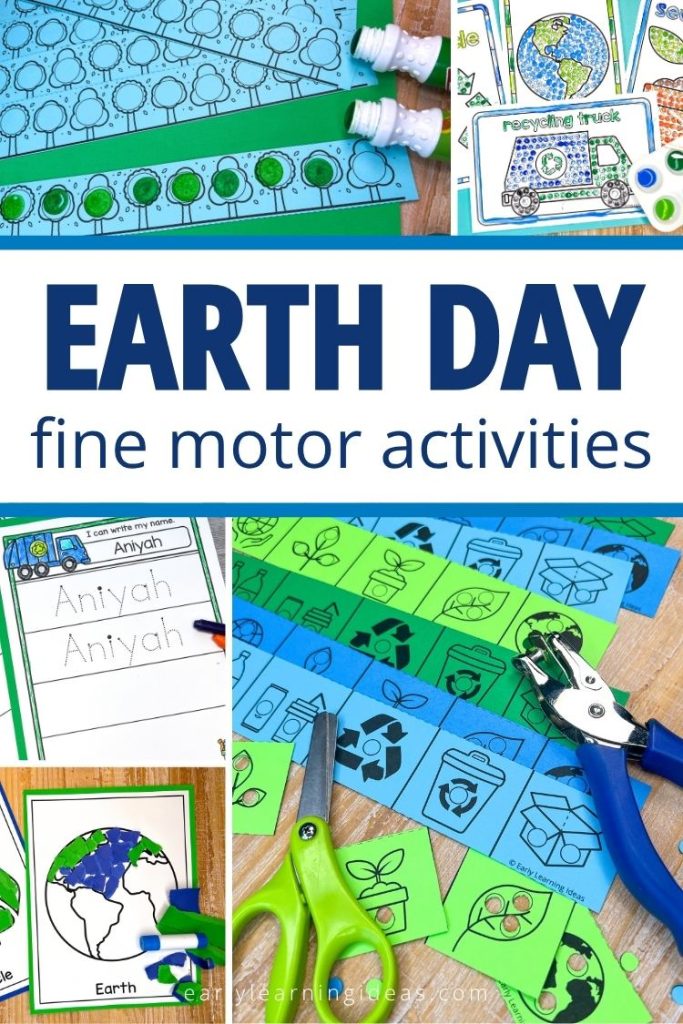
Use thematic hole punch and cut strips to tie into your seasonal themes and lesson plans. Kids can punch the holes in the images, and then snip them apart for a bit of cutting practice as well.
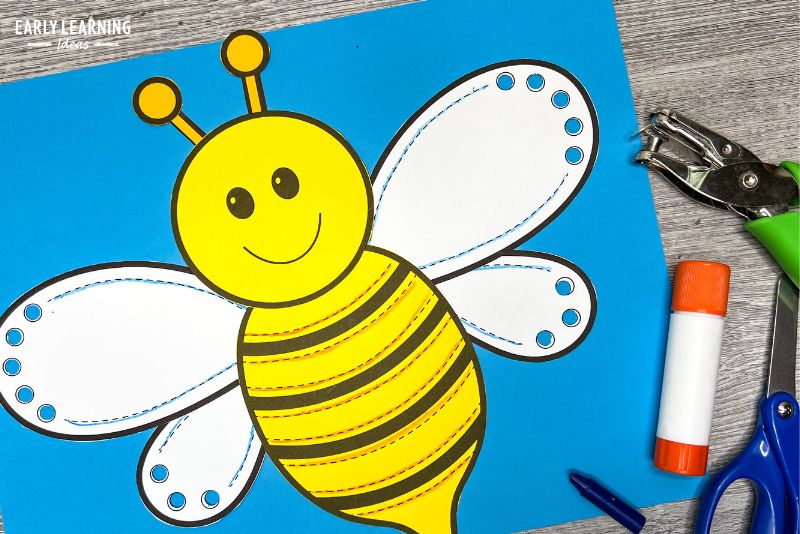
Fine Motor Crafts with Hole Punch Borders
These printable fine motor crafts include line tracing and hole punching for lots of fine motor practice.
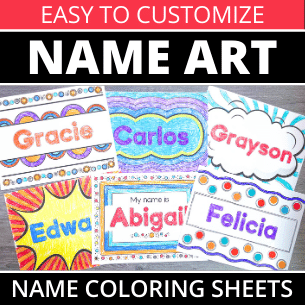
Name Pages with Hole Punch Border
Combine literacy with motor practice. Kids can color their names on these name coloring sheets. This one also has some holes around the border that kids can punch.

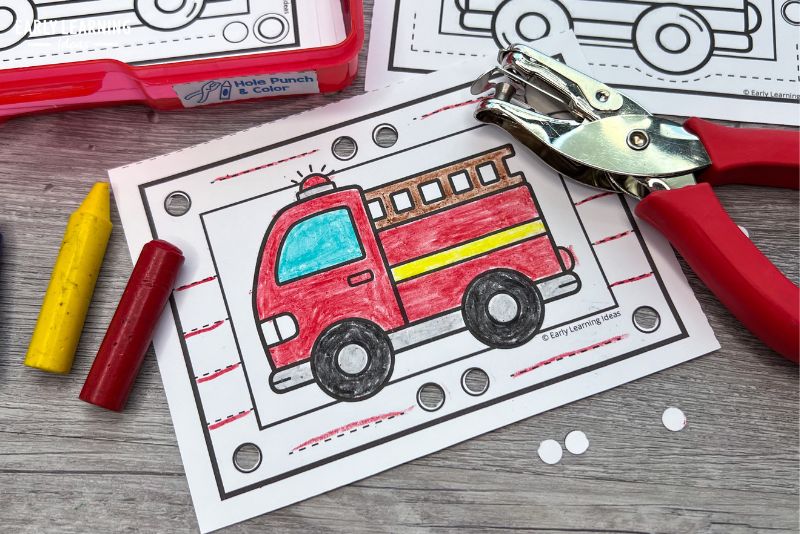
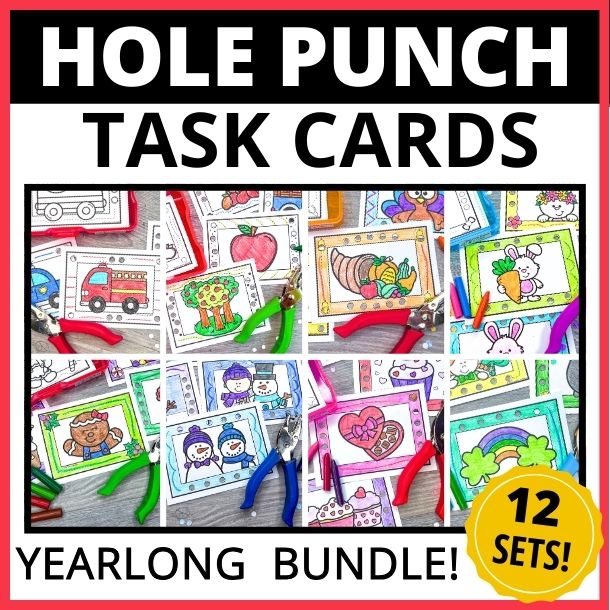
Hole Punch Task Cards
These hole punch task cards include options to punch, color, and trace lines.
Tracing & Pencil Control Practice
Tracing helps children practice controlled movements with writing tools, preparing them for writing tasks. It builds the muscle memory kids need for forming letters later.
Simple Mazes
Guide pencil through paths. These paths have a variety of levels from straight lines to more complex lines and the tracing path is wide enough so kids can experience success in tracing.
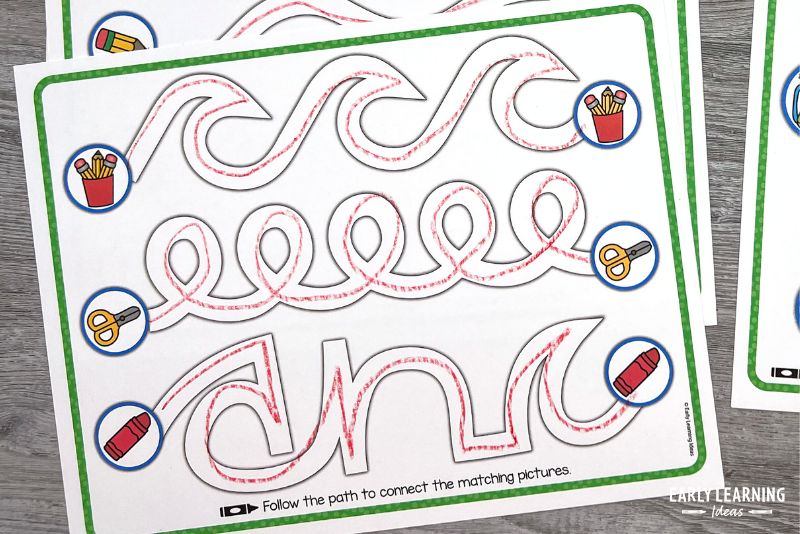
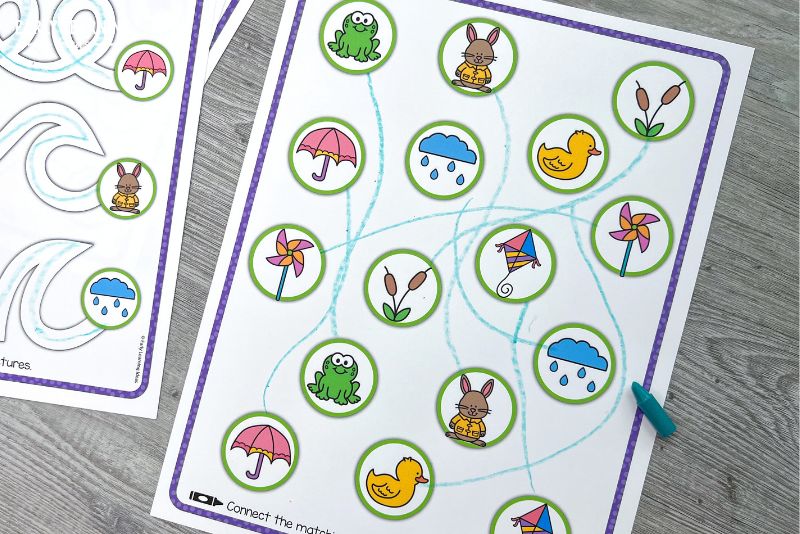
Connect the Image Sheets
After spotting the images, kids can connect them with a line. They work on pencil control as they draw around images.
Dot & Trace Pages
These dot and trace pages combine dot marker coloring and tracing dotted lines.
Letter Tracing
You can find lots of letter tracing activities for your kids. These letter craft activity pages . They have an uppercase and lowercase letter with starting dots to help with proper letter formation. This one also includes tracing opportunities around the border.

Shape Tracing
Trace circles, squares, triangles, and other shapes to build control.
Playdough & Manipulative Stations
Playdough and manipulatives help kids strengthen hands in playful, open-ended ways. There’s no “right” way to play with playdough, so kids can explore and build strength without pressure.
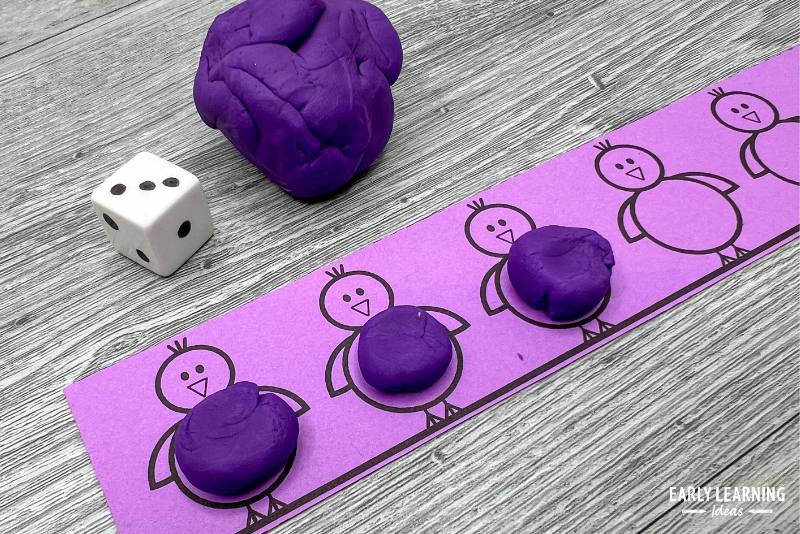
Here are just some of the things kids can do with playdough:
- Squeezing, rolling, and pinching playdough – These basic movements build hand strength naturally.
- Pressing tools into dough – Use buttons, stamps, or cookie cutters to make impressions.
- Building shapes or letters with playdough – Form letters, numbers, or shapes with playdough rolls.
- Poking items into playdough – Use golf tees, toothpicks (supervised), or birthday candles to poke into playdough.
- Rolling with rolling pins – Flatten playdough with small rolling pins to build bilateral coordination.
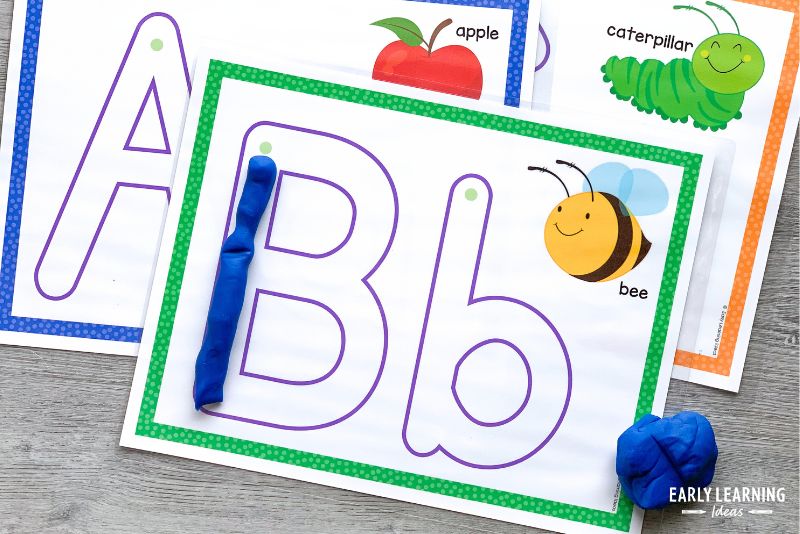
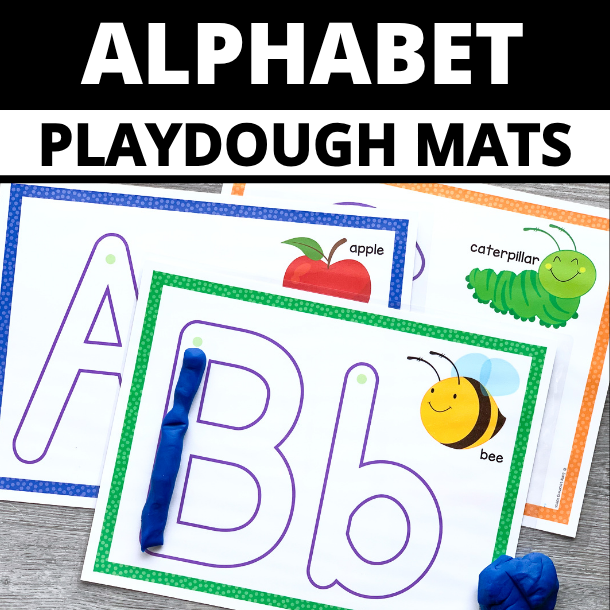
Alphabet Playdough Mats
Combine playdough with printable mats for shape or letter tracing. Kids can roll playdough “snakes” and place them on top of letters or shapes.
Q-Tip & Cotton Swab Activities
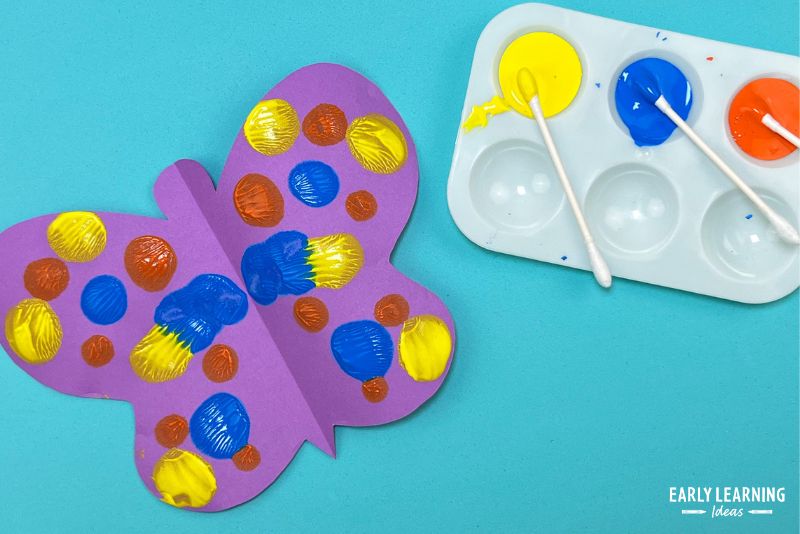
Using Q-tips or cotton swabs for painting and dabbing builds precise finger control and grip strength. The small tool requires careful manipulation, which strengthens the muscles needed for pencil grip and builds eye-hand coordination.
Q-Tip Painting
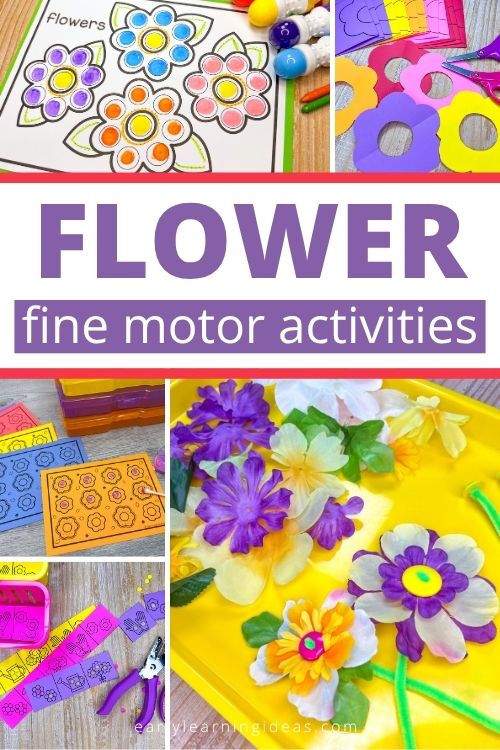
Dip Q-tips in paint and dab onto paper or printables. Kids can fill in the shapes and create patterns. If you use these fold-and-cut activities, they can add dots of paint on one side, and then fold the image in half to create a symmetrical image.
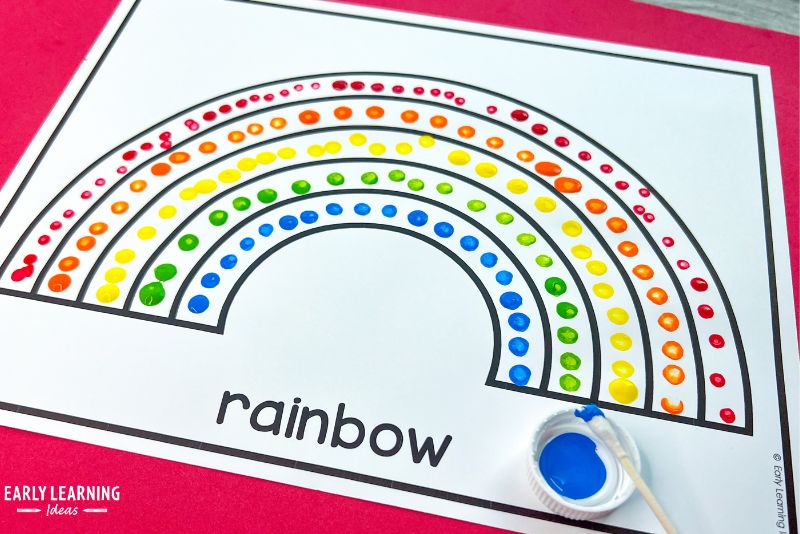
Dotting Inside Shapes
Provide outlined shapes and have kids dot inside the lines with Q-tips and paint.
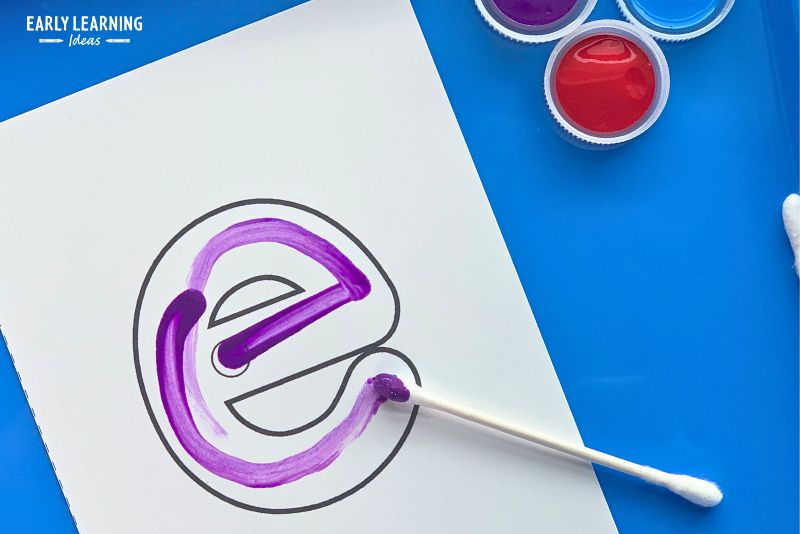
Letter Formation with Q-Tips
Kids can dab Q-tips along letter outlines to practice letter shapes.
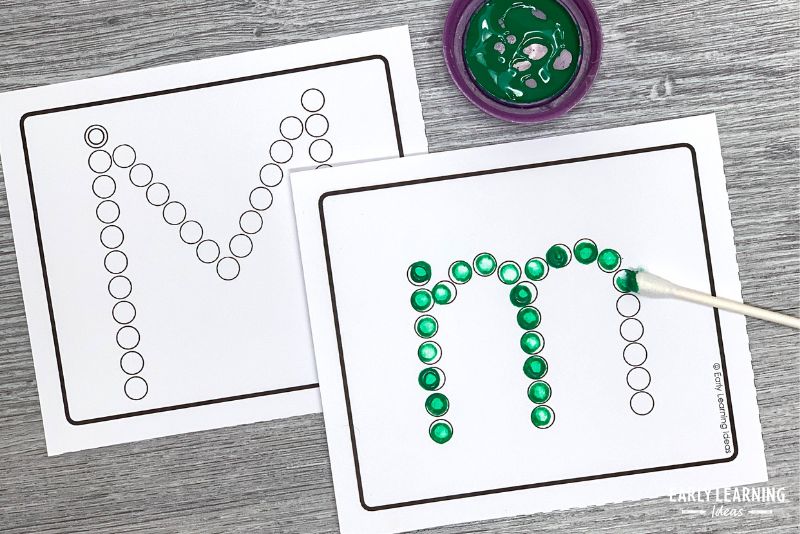
…or they can trace the inside of a letter with a q-tip dipped in paint.
Pattern Creation
Use different colored paints and Q-tips and dot strips to create AB or ABC patterns.
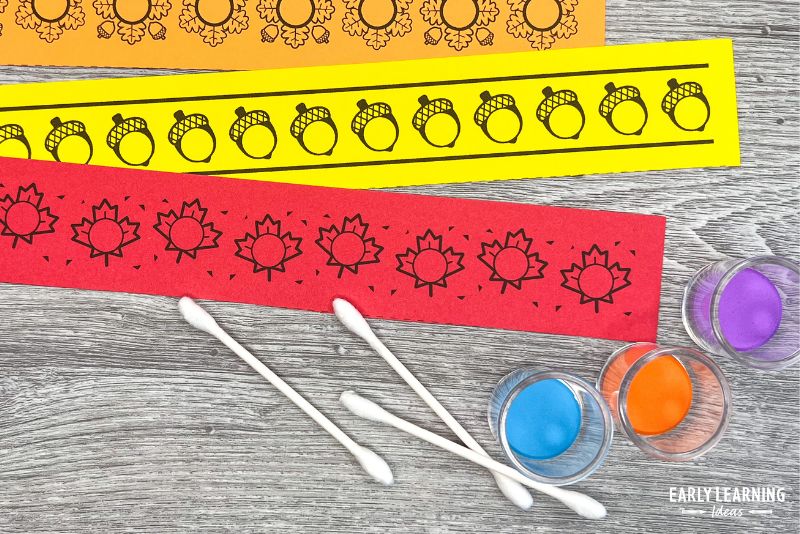
Teacher Tip
Use small paint palettes or bottle caps for paint to encourage careful dipping. This adds another layer of control to the activity.
Lacing & Threading Activities
Stringing and lacing encourage hand-eye coordination, bilateral hand use, and visual-motor integration. Kids need to coordinate what they see with what their hands are doing.
Lacing yarn through pre-punched cards
Create cards with holes around the edges and let kids lace yarn through them.
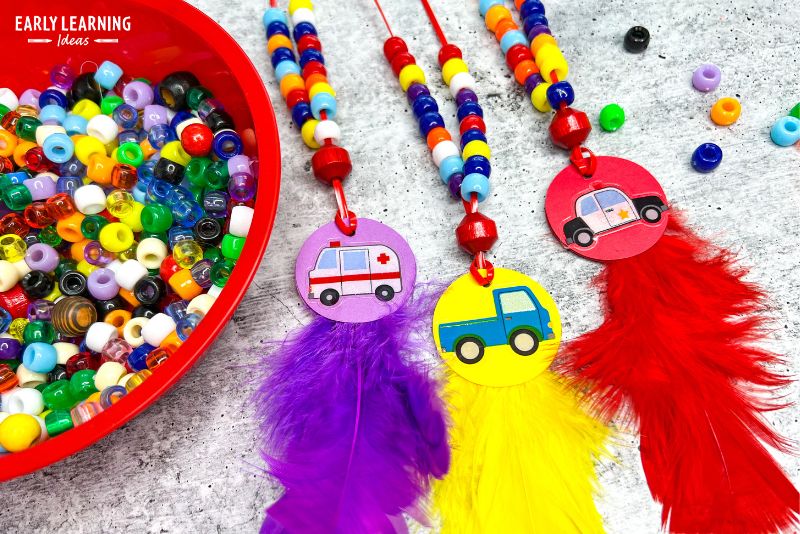
Threading large beads or buttons on a string
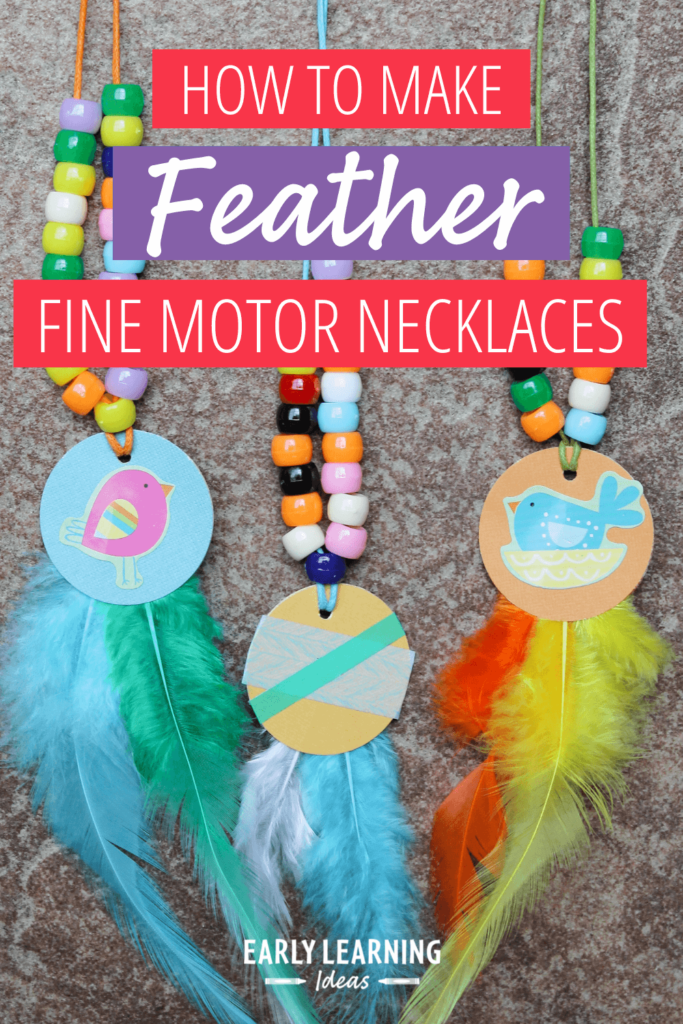
Get out your beads, pasta, cut straws and string and let kids make necklaces, bracelets, and more.
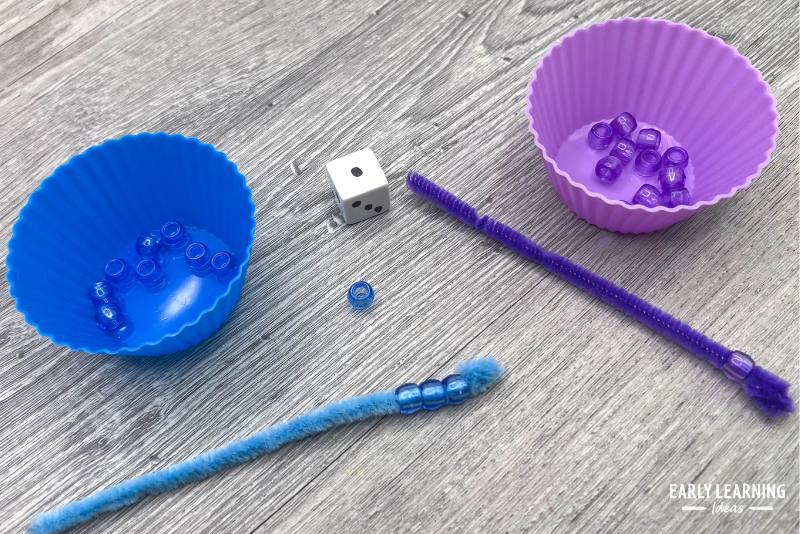
Pipe cleaner threading
Use pipe cleaners in place of string for an easier alternative. You can even play a fine motor counting game by rolling a die and threading beads onto a pipe cleaner.
More Hands-On Fine Motor Ideas
These activities are perfect for rotating into your fine motor centers and adding variety to your classroom routine.
Eyedropper Activities
Squeezing and releasing eyedroppers builds hand strength and control. This fun fine motor painting activity is a great way to play with mixing different colors. Provide some containers of colored water that kids can squeeze onto paper towels.
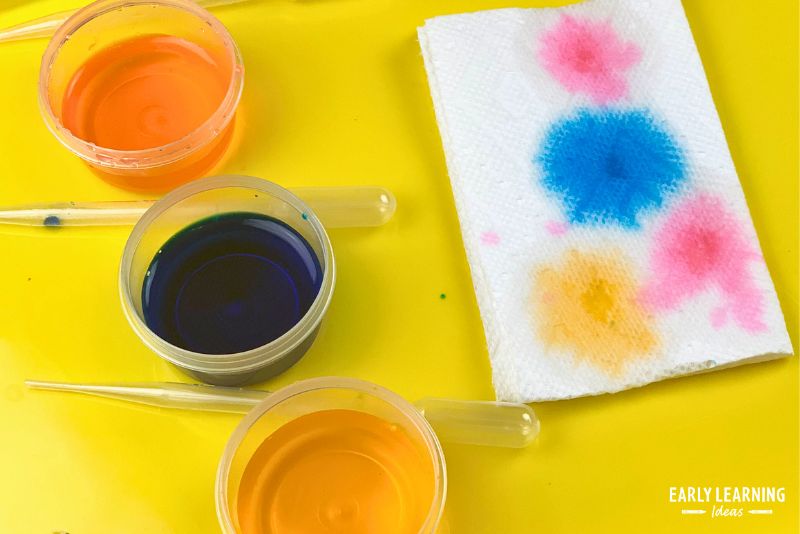
Try this: Water transfer activities, color mixing, dropper painting, transferring colored water between containers.
Tweezer & Tong Activities
Using tools instead of fingers builds extra hand strength and precision. Add tongs, tweezers, and training chopsticks to activities and sensory tables for an extra challenge.
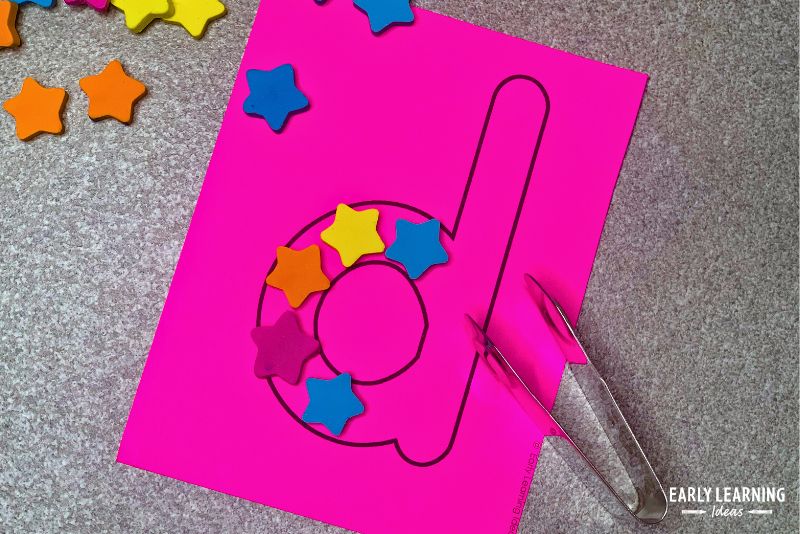
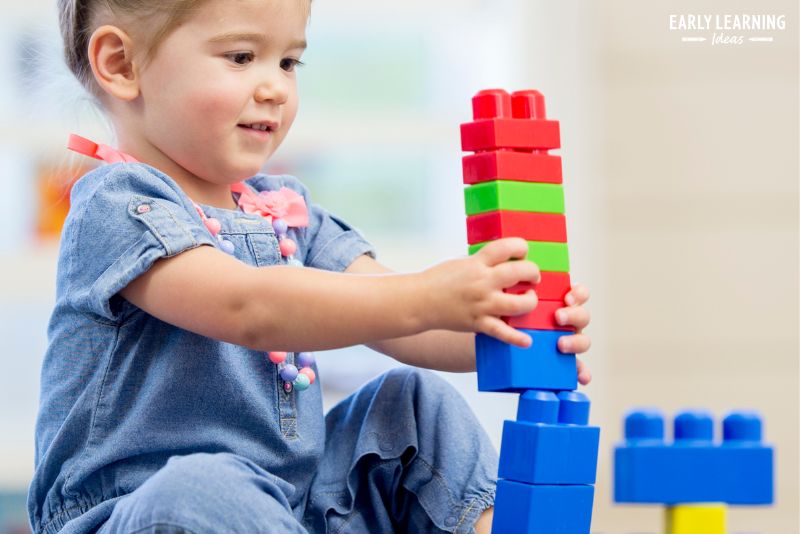
Building with Cubes & Legos
Snapping pieces together and pulling them apart strengthens fingers and builds bilateral coordination.
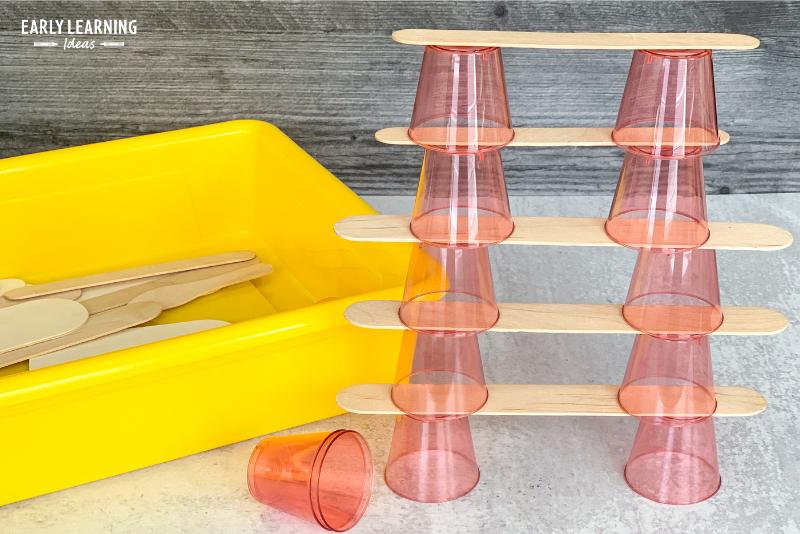
Stacking Activities
Stacking requires hand-eye coordination, control, and careful placement. You can encourage your kids to make towers with almost anything.
Teacher Tip
Rotate these activities weekly to keep interest high. Store materials in clear bins so kids can see what’s available and choose activities that interest them.
Setting Up Fine Motor Centers in Your Classroom
Fine motor activities work best when they’re easily accessible and rotated regularly. Here are some tips for setting up successful fine motor centers:
- Create a Fine Motor Station – Designate one area with rotating activities. Change them weekly or bi-weekly to maintain interest.
- Use Clear Bins – Store materials in clear bins so kids can see what’s available. Label bins with pictures and words.
- Offer Choices – Set out 2-3 activities at a time so kids can choose what interests them.
- Morning Tubs – Place fine motor activities in individual tubs for kids to work on as they arrive.
- Early Finisher Options – Keep a basket of fine motor activities for kids who finish work early.
Connecting Fine Motor Skills to Other Learning Areas
Fine motor activities aren’t just about hand strength—they can connect to every area of your curriculum:
- Literacy: Letter tracing, alphabet clip cards, cutting letter shapes, tearing paper letter crafts
- Math: Counting clip cards, pattern bead threading, sorting with tongs, ten frame activities
- Science: Using tweezers like scientists, eyedroppers for experiments, cutting and sorting nature items
- Art: Cutting, gluing, painting with Q-tips, sculpting with playdough
Get Your Fine Motor Printables
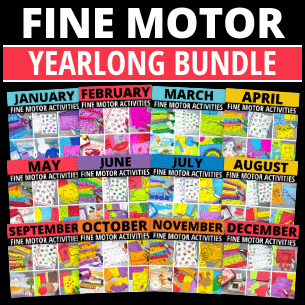
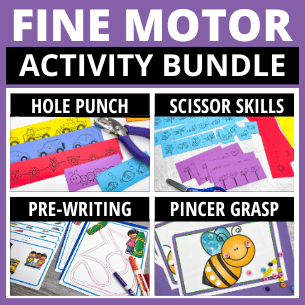
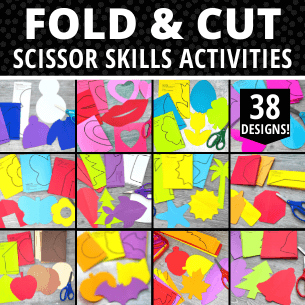
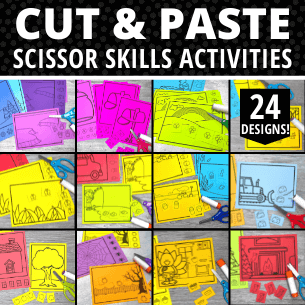
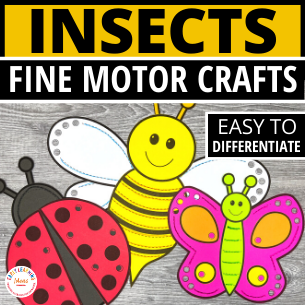
Are you ready to get started with these fun fine motor activities for your preschool kids? You can find the printables featured above in my store. Click on the image below to check them out.



Do you prefer to purchase on TPT? You can also find fine motor printables in my Teachers Pay Teachers store.
Additional Fine Motor Activities for Preschool Kids
Here are additional fine motor activity ideas for your kids in preschool, prek, and kindergarten.